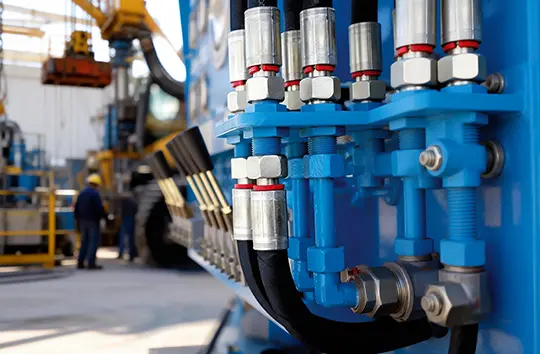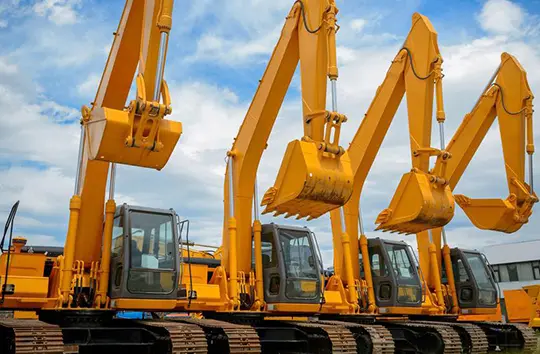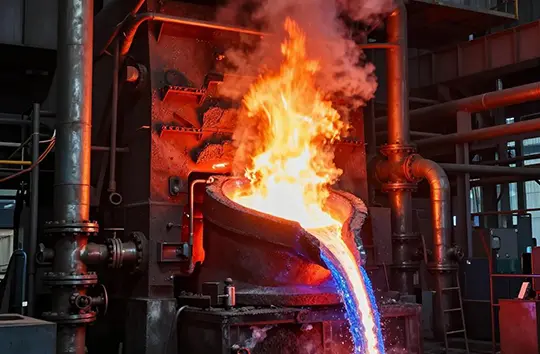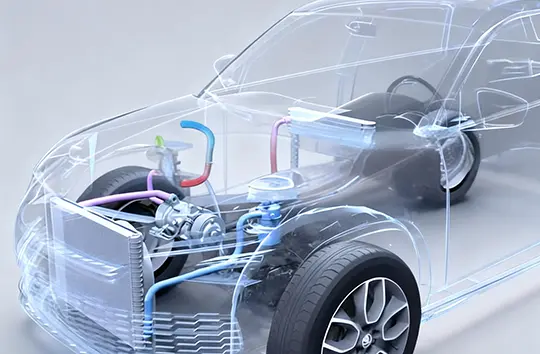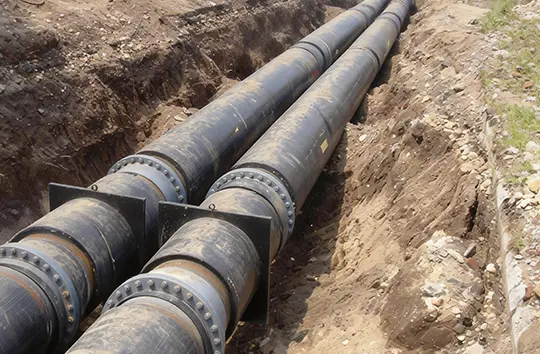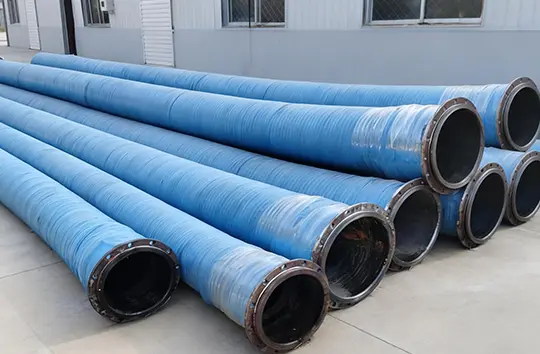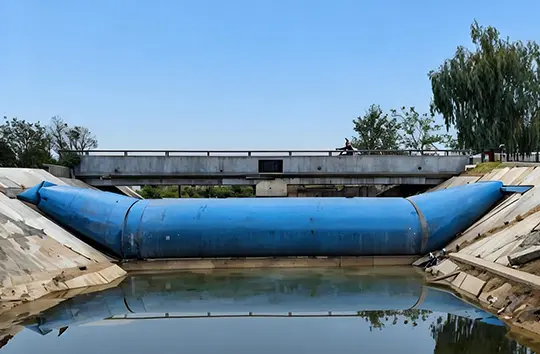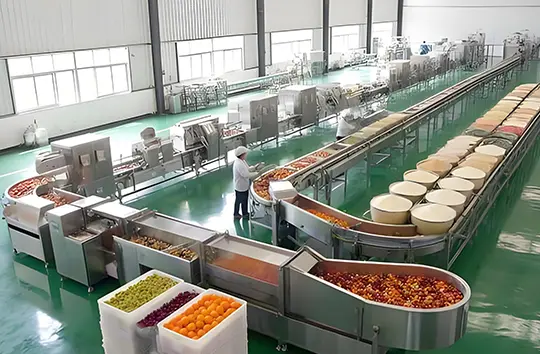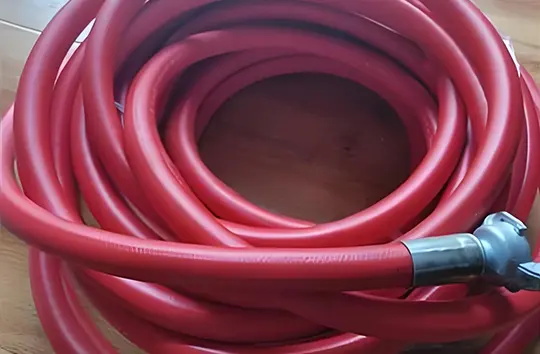
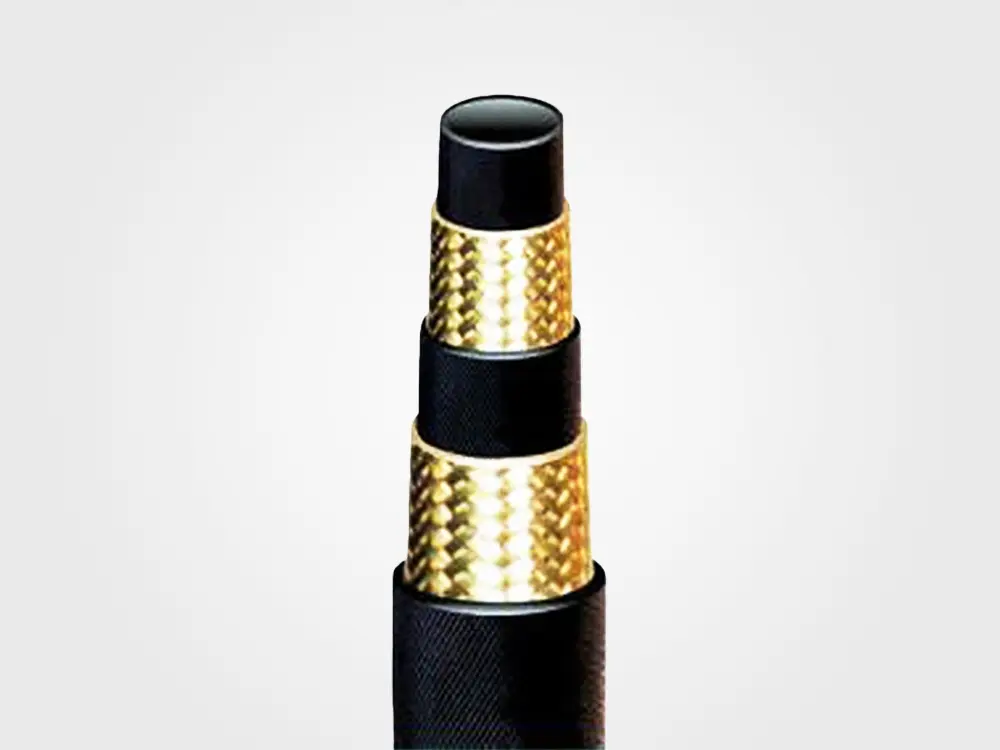
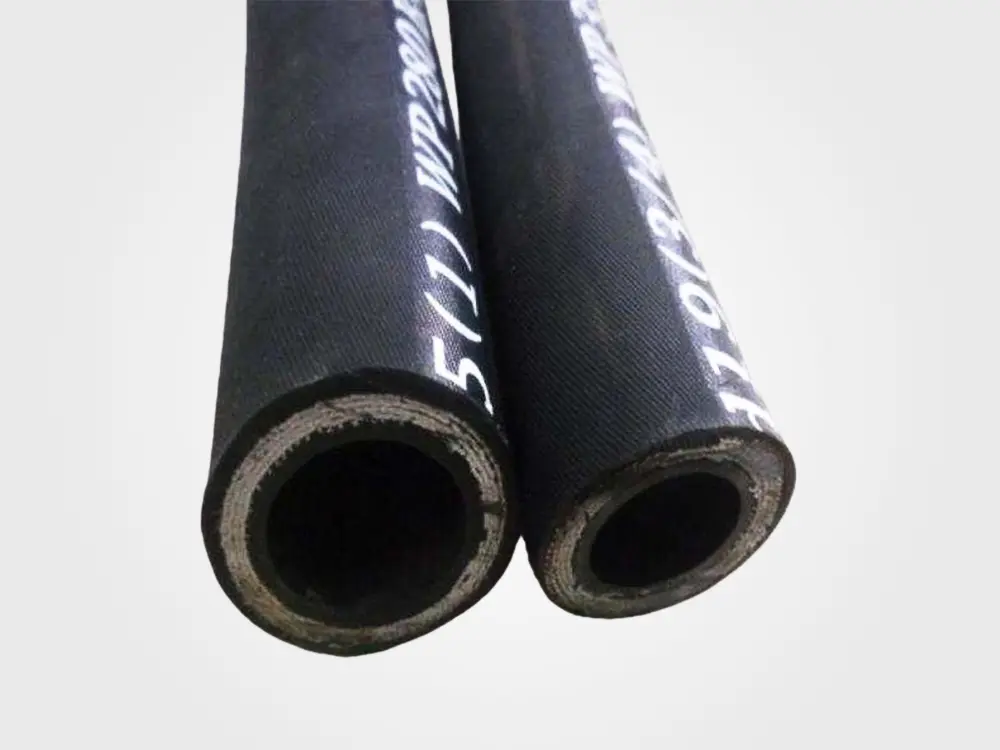
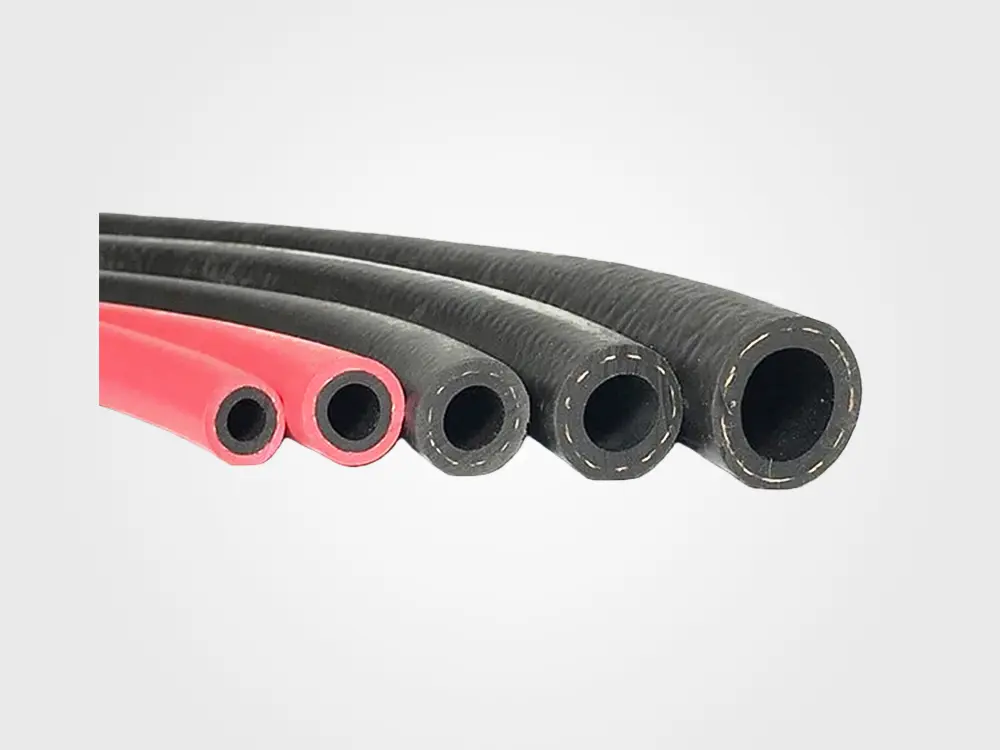
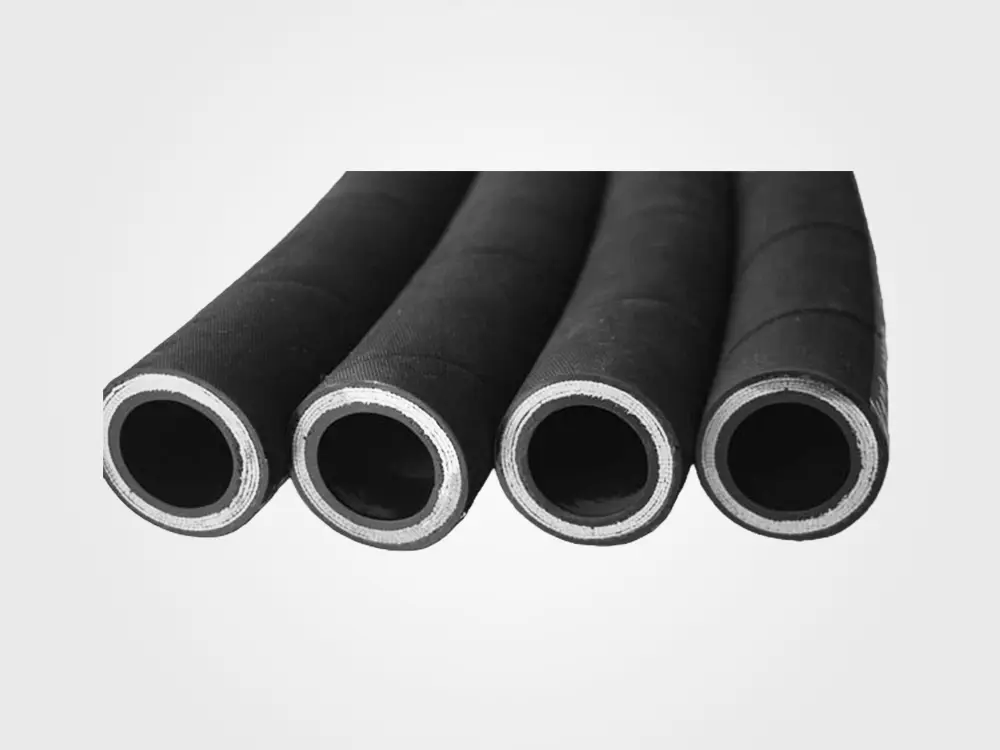
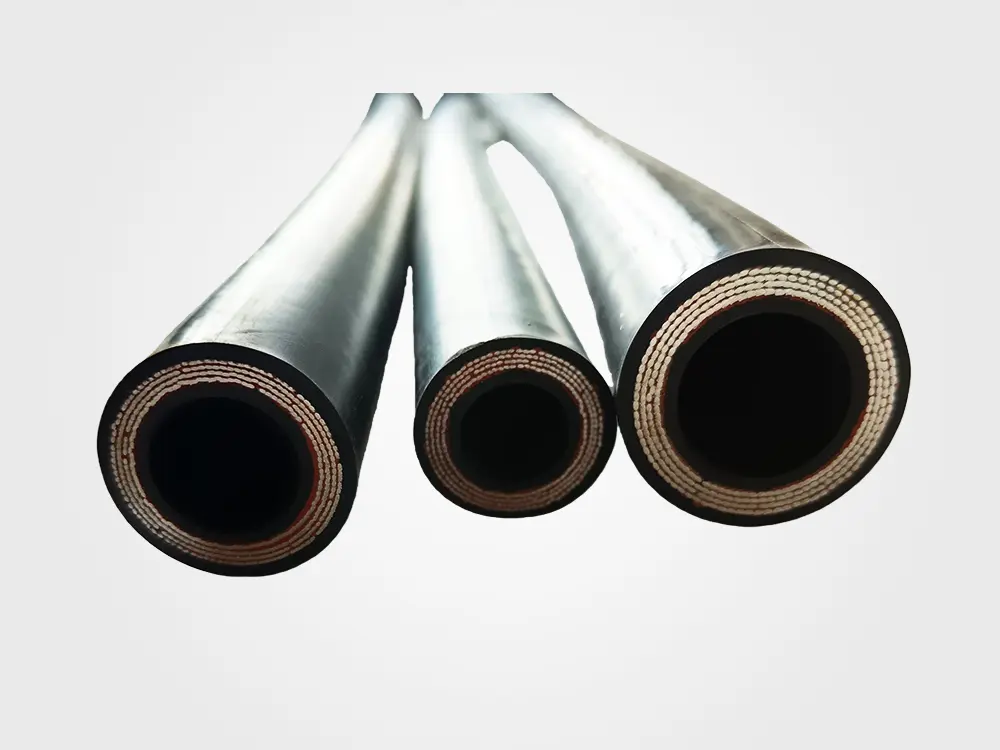
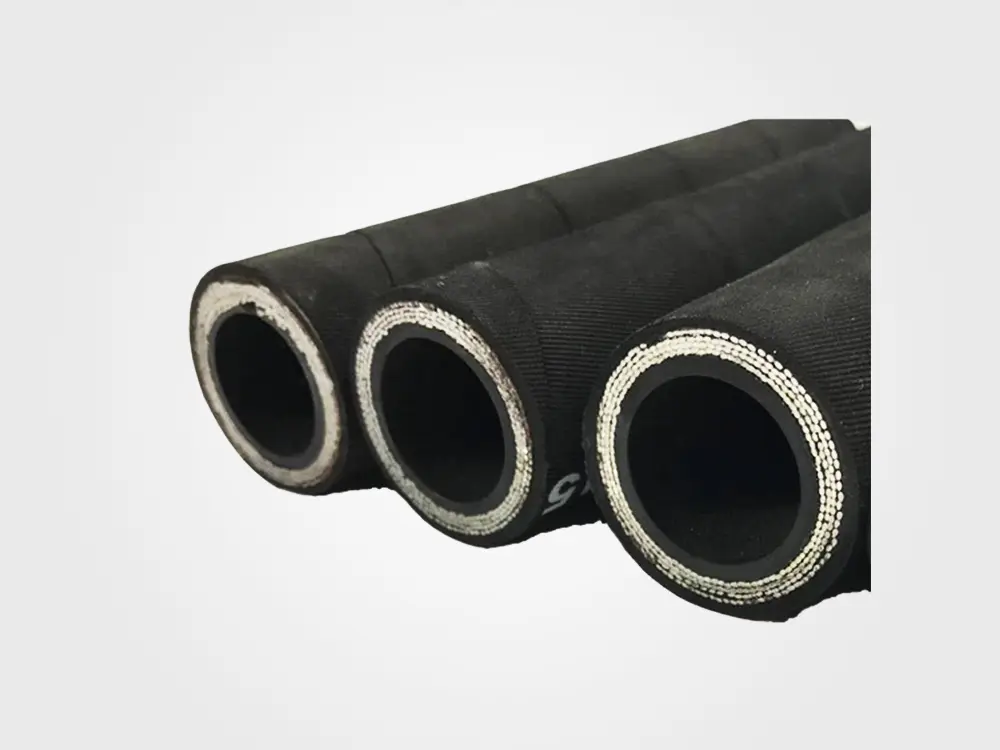
The Metal Wound Hose is our elite solution for ultra-high pressure and extreme impulse environments. Featuring 2 to 6 layers of high-carbon spiral steel wire, it is engineered to withstand pressures up to 100MPa and over 1.5 million pulse cycles. Designed for the most unforgiving conditions in mining, metallurgy, and petrochemicals, this hose offers unmatched resistance to impact, high temperatures, and aggressive chemical media.
Temperature Range -40°C to 180°C
Pulse Resistance ≥ 1.5 Million Cycles
Pressure Range 40 to 100 MPa
Reinforcement 2-6 Layers of Spiral Steel Wire

Complies with SAE 100R15 and GB/T 10544 standards.

Designed to meet the most rigorous “Extreme Working Condition” requirements.

Facility operations are fully ISO 14001 environmental certified.

100% verified for 1.5M+ high-frequency pulse and impact resistance.
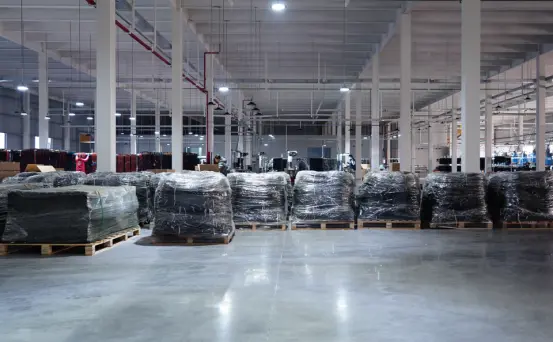
With a fully vertically integrated production system, UPT achieves full-process control from polymer material formulation R&D to finished product certification and delivery.
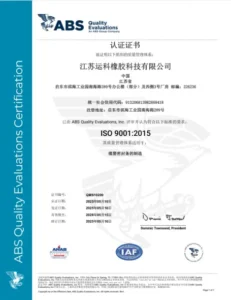
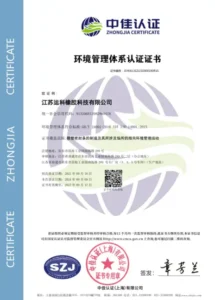
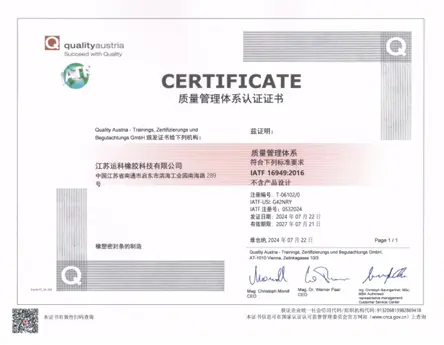
Our company has successively obtained the three authoritative certifications of IATF 16949 Automotive Quality Management System, ISO 14001 Environmental Management System and ISO 9001 Quality Management System, fully meeting the stringent standards of various industries worldwide, especially those in the automotive sector.
During production of sealing strips, our QC engineers cut cross-sections for 10x magnified checks every 20 minutes. They accurately measure the rubber products’ dimensions, tolerances and geometric errors to ensure they match design drawings and meet customer assembly needs.
We also test the products’ physical and chemical properties per standards to guarantee complete vulcanization and stable performance. Friction and wear tests are carried out to check the abrasion resistance of rubber products and their coatings, while mechanical tests verify the material’s tensile and tear strength.
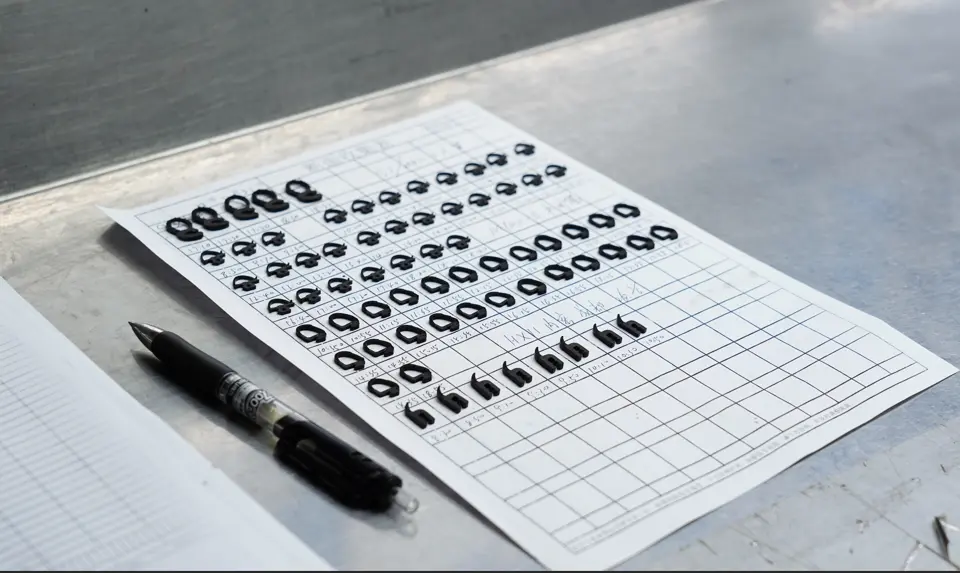
20-Min Interval Cross-Section Checks
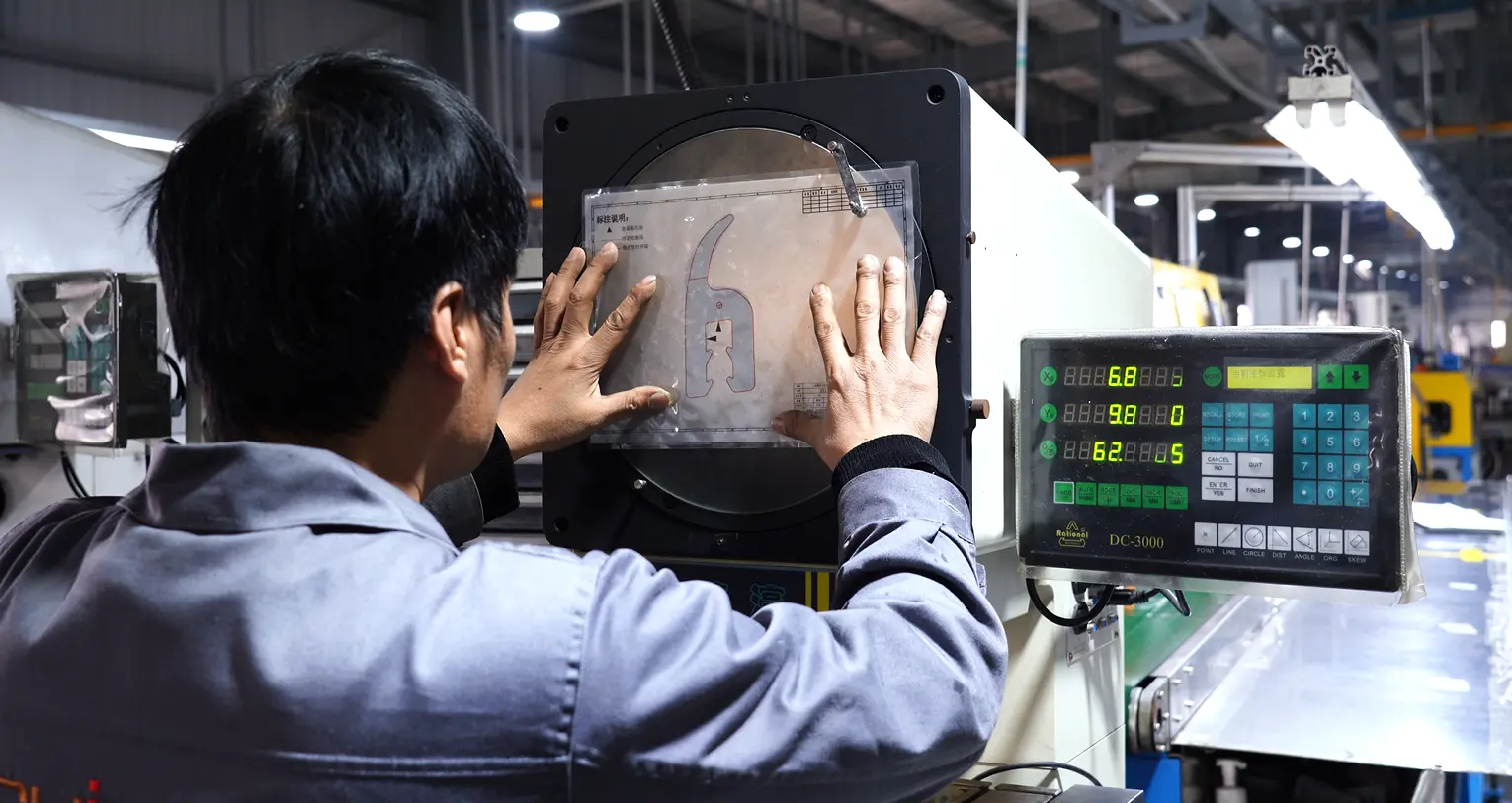
10x Magnification | Precision Guaranteed
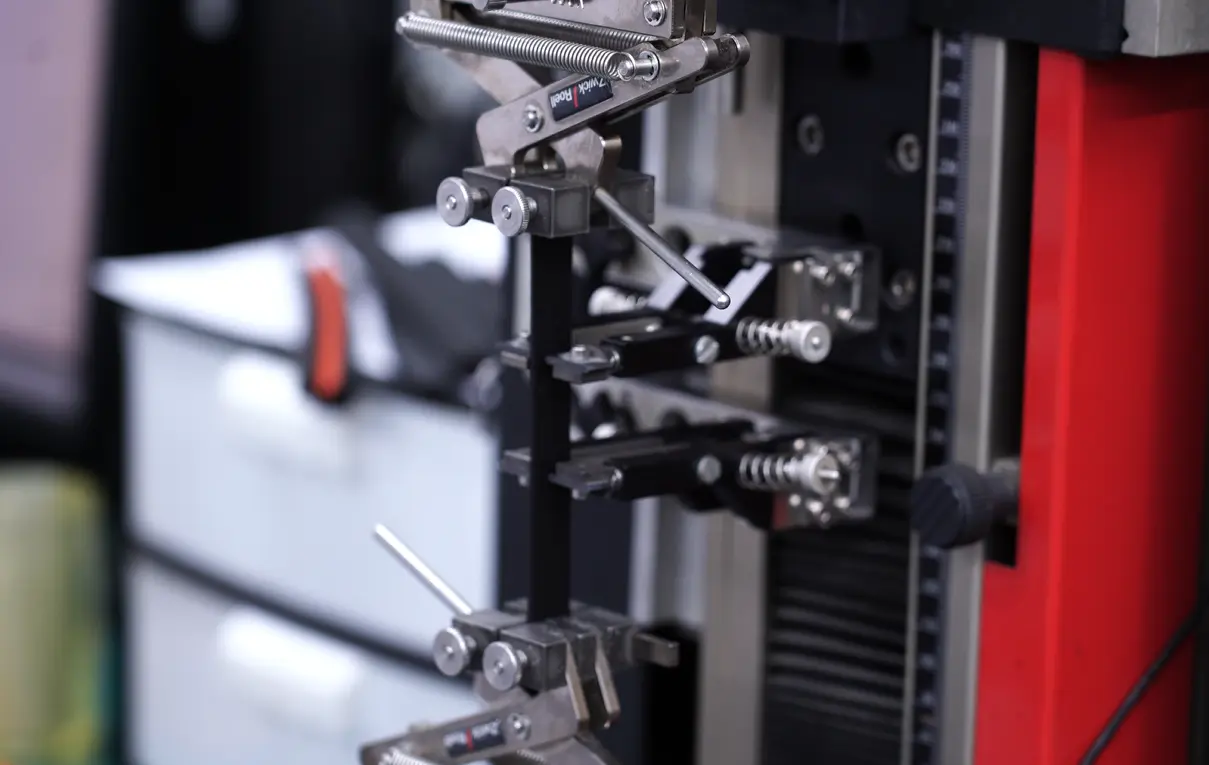
Tested for Tensile & Tear Resistance
Spanning approximately 500 square meters, our laboratory is fully equipped with advanced apparatus and boasts strong testing capabilities.We can independently conducting comprehensive testing on a wide range of rubber products。
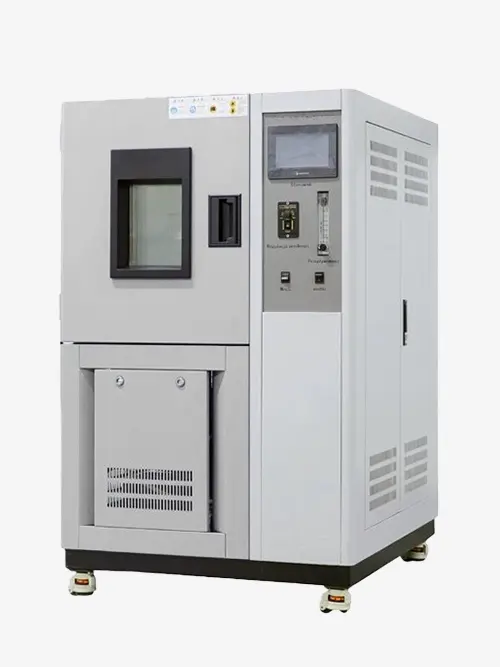
Ozone Aging Test Chamber
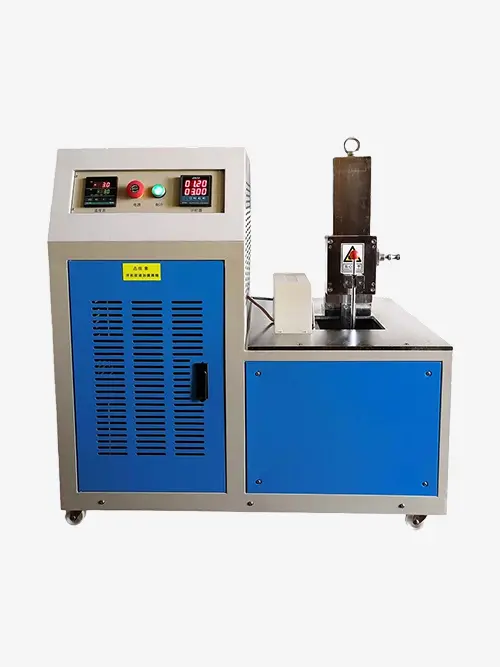
Low Temperature Brittleness Tester
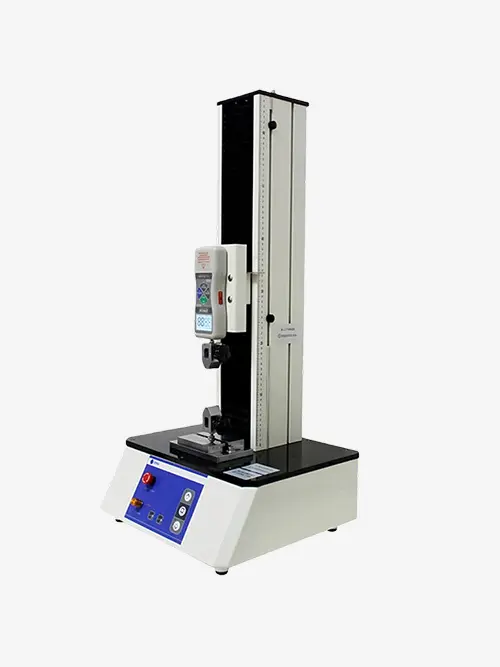
Electronic Tensile Testing Machine
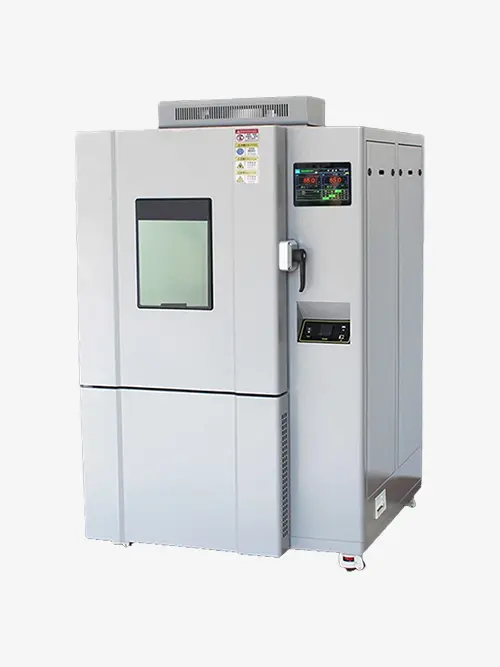
High and Low Temperature Alternating Humidity and Heat Test Chamber
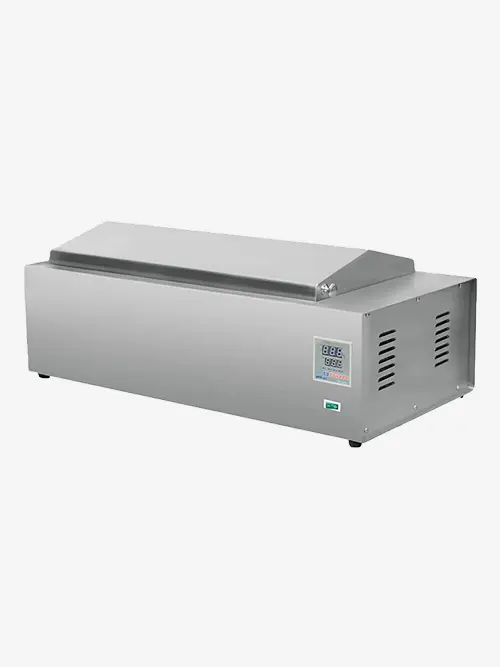
Constant Temperature Water Tank
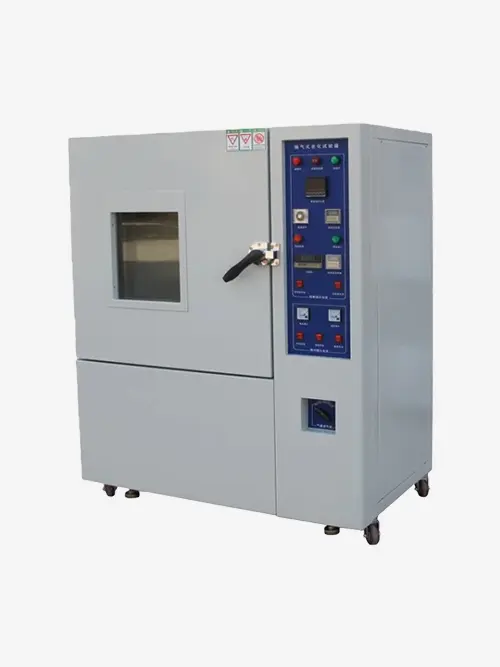
Aging Test Chamber
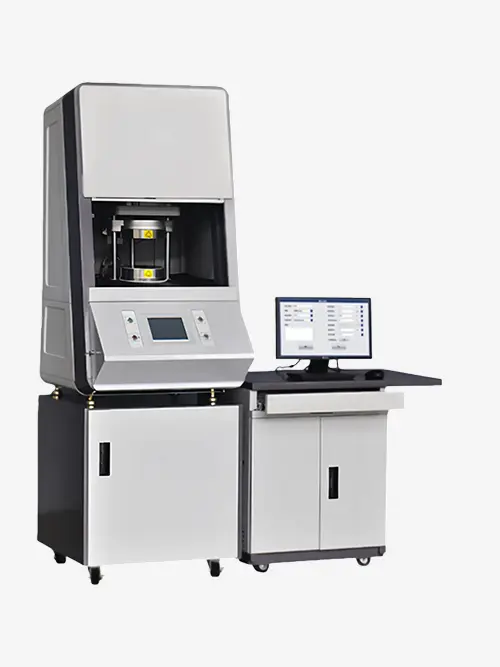
Mooney Viscometer
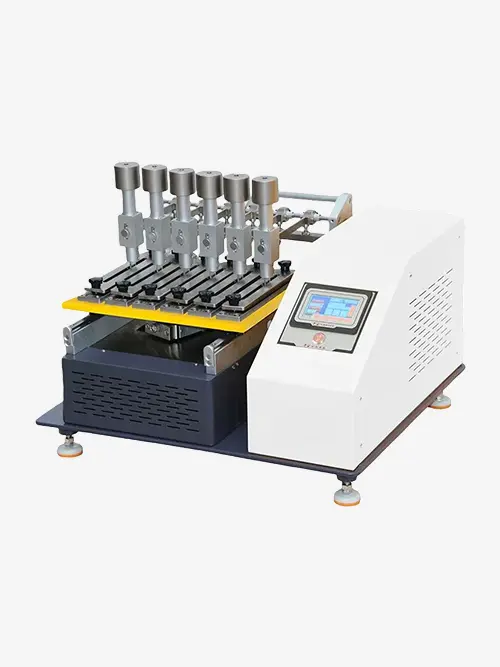
Automotive Seal Strip Abrasion Tester
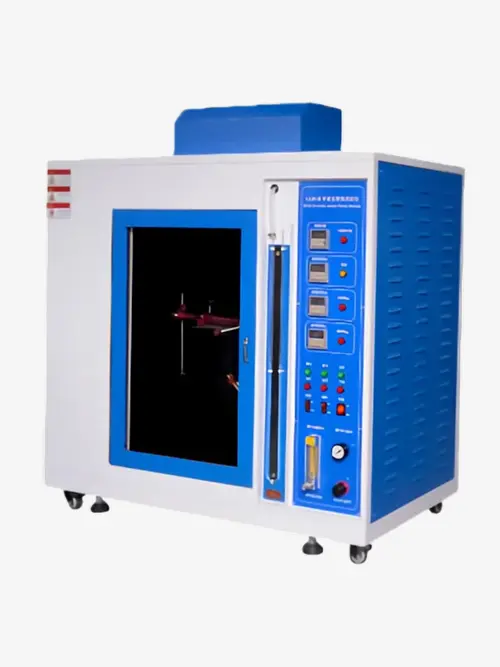
Automotive Interior Combustion Test Chamber
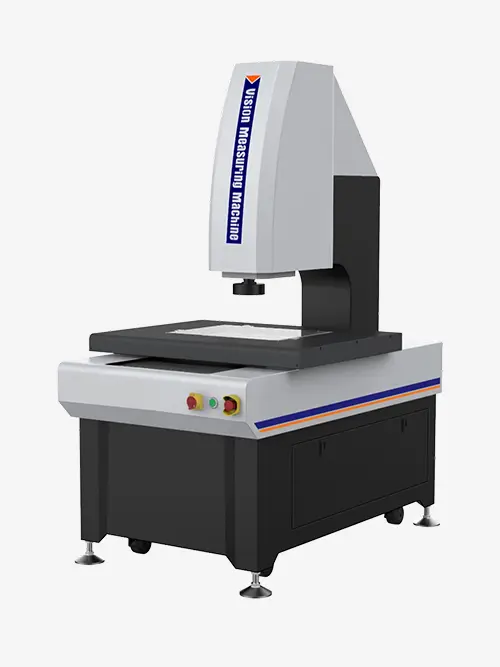
Fully Automatic Image Measuring Instrument
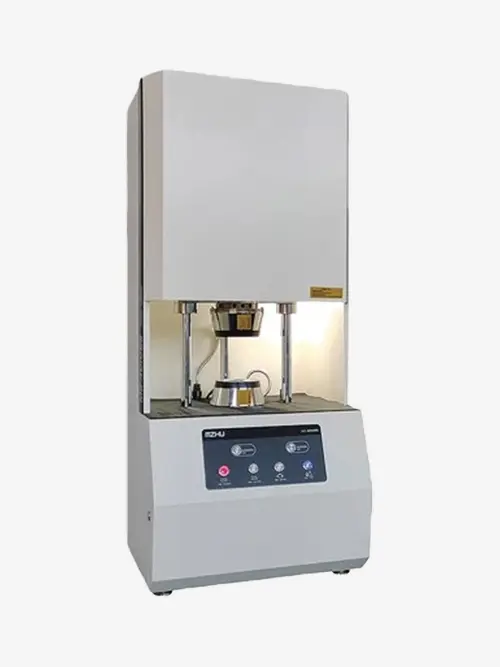
Rotorless Rheometer / No Rotor Curemeter
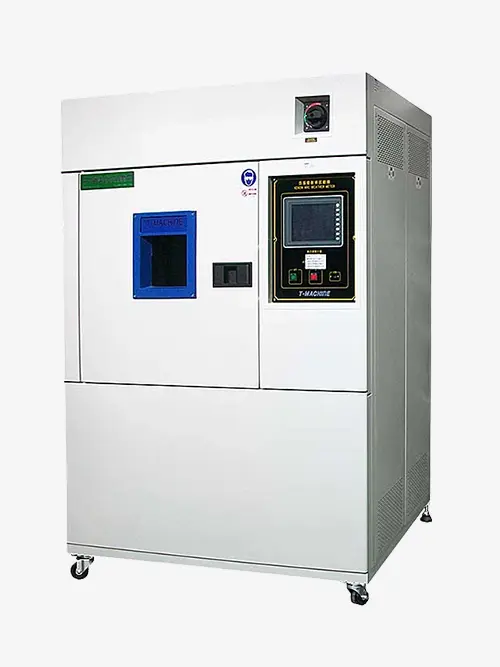
Xenon Lamp Weather Resistance Test Chamber
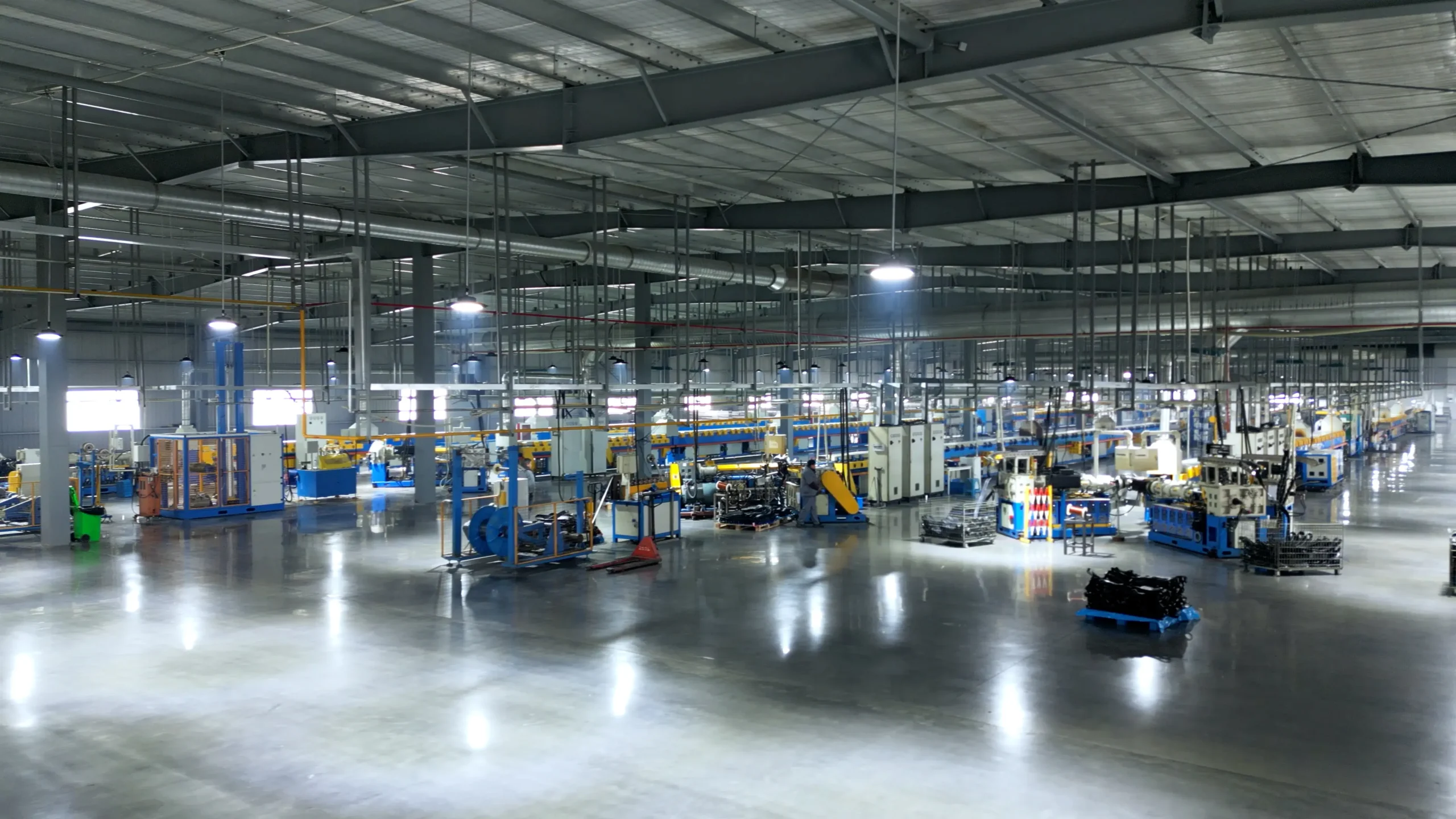
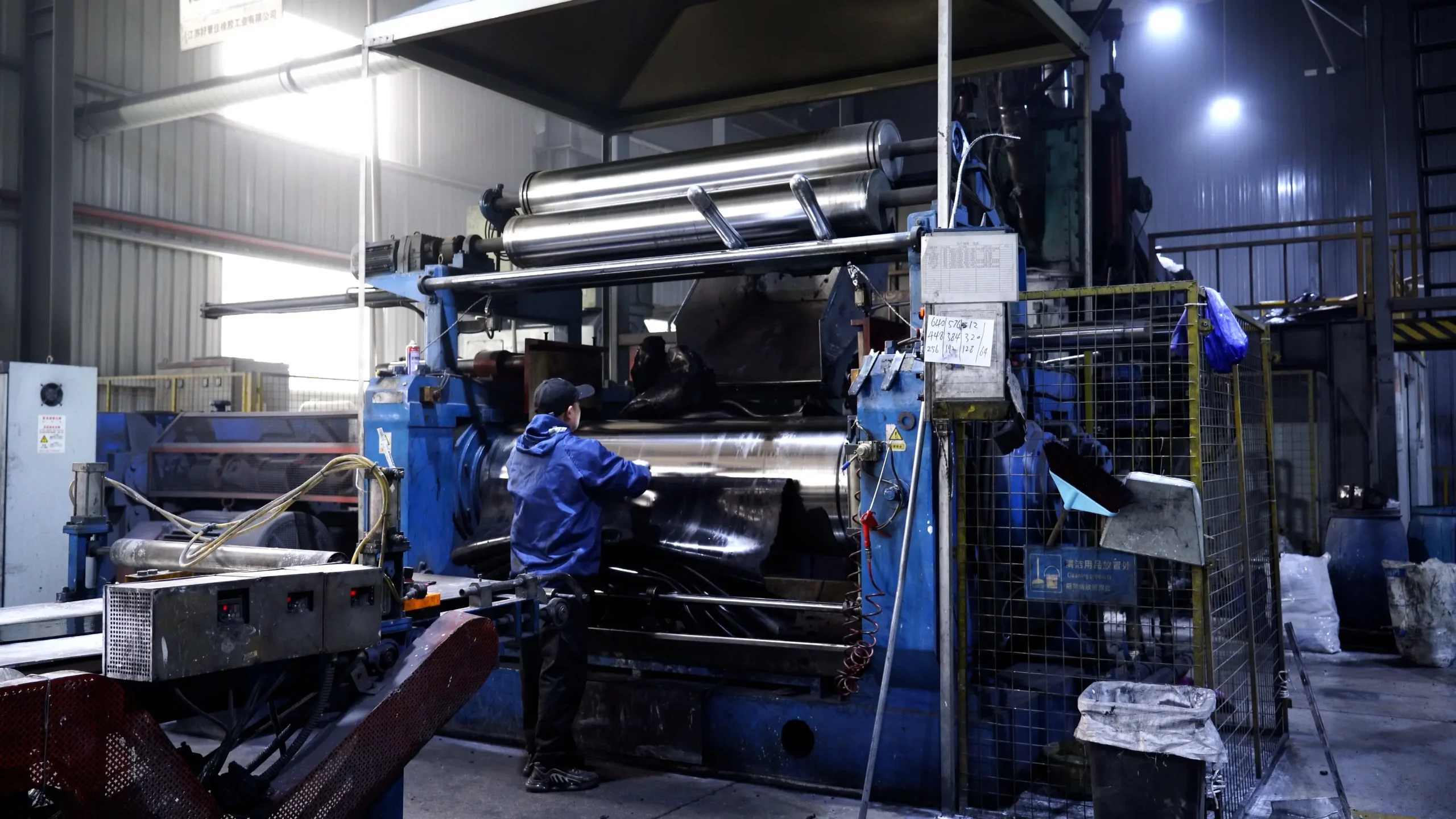
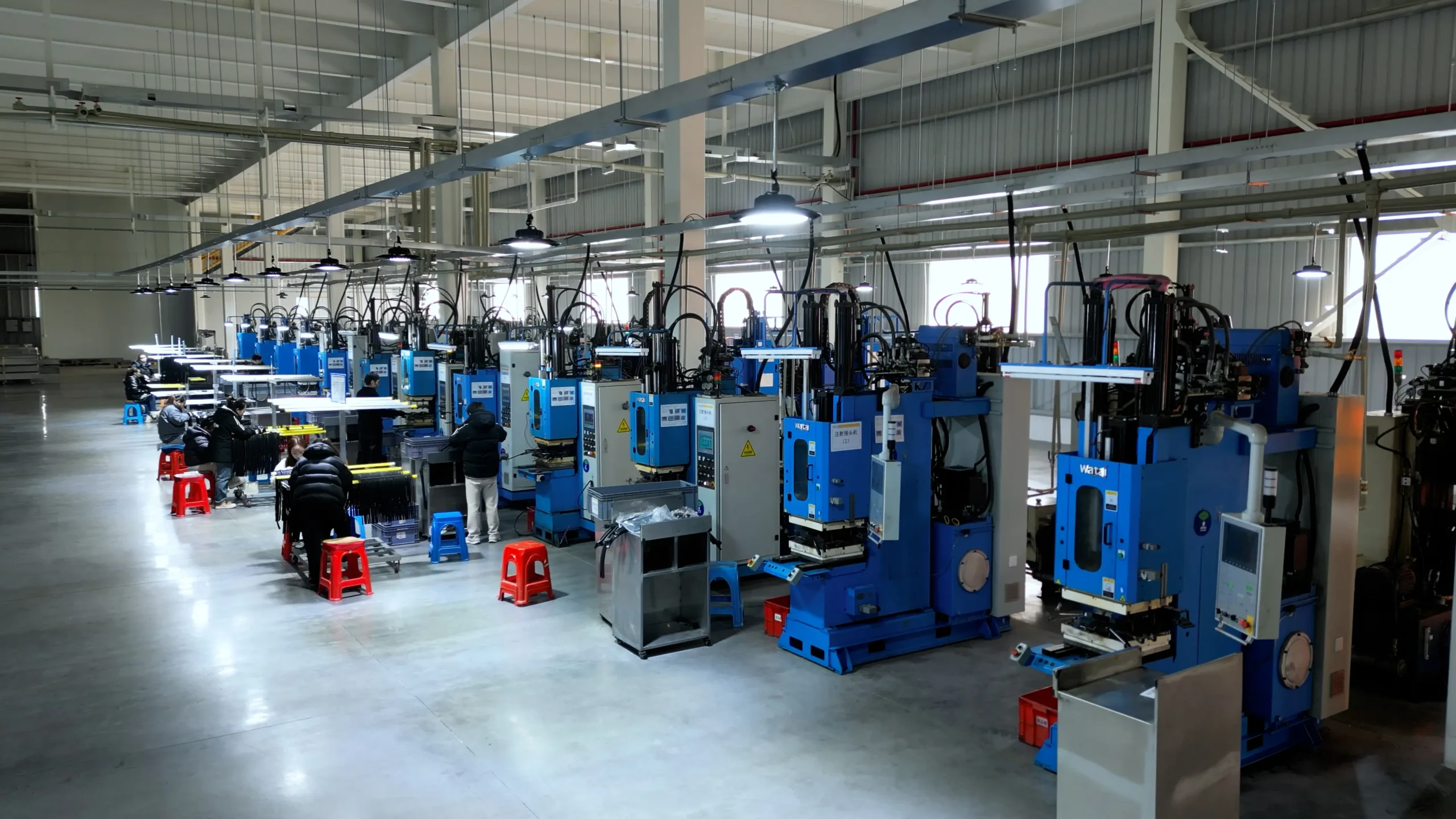
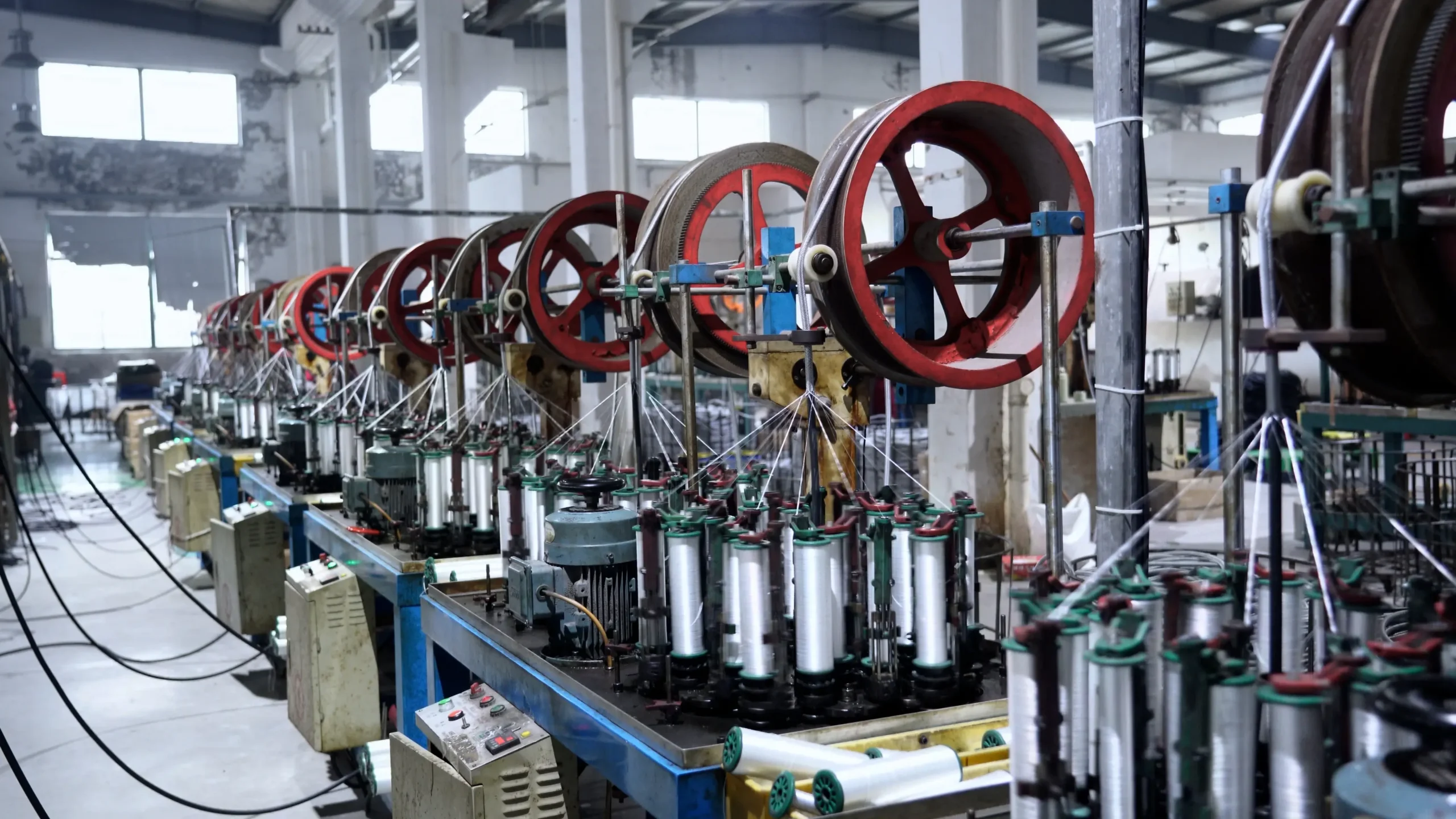
One-Stop Rubber Solutions: Design, Produce, Delivery.
All For Your Industrial Needs.

Consult


Design

validate

produce

deliver

Support
A: Traditional rubber strip joint processes (adhesive/cutting) have obvious defects: gaps cause water/dust leakage, low joint strength, and easy aging/falling off. Injection corner jointing uses secondary vulcanization fusion technology: put the cut rubber strip ends into a precision mold, inject the same raw rubber at high temperature/pressure, and fuse the joint with the main body through vulcanization. The joint strength reaches ≥90% of the main body, realizing seamless IP67-level sealing, and the aging resistance is completely consistent with the rubber strip—perfect for corner connection of automotive/special-shaped industrial sealing strips.
A: Ultra-low temperature rubber strips (cold storage, liquid nitrogen equipment, alpine automotive sealing) need to avoid hardening/cracking at low temperatures, and the recommended materials are:
Structurally, it is recommended to use a soft design (40-50 Shore A), appropriately reduce the cross-section thickness to avoid excessive low-temperature compression and ensure sealing performance.
A: Rubber strip sealing performance is tested according to IEC 60529 IP grade standard, simulating actual installation conditions for dustproof and waterproof tests:
A: NEV rubber sealing strips have three core special requirements based on battery and motor characteristics:
The main materials are still EPDM/HNBR, but the formula is optimized for high temperature/anti-static performance, and the structure is designed with double sealing for key parts (battery pack).
A: Rubber strips are prone to aging/cracking due to environmental factors, and simple daily maintenance can effectively extend their service life (3 key methods):
For outdoor rubber strips, it is recommended to add a protective cover in extreme weather (high temperature/snow) to reduce environmental erosion.
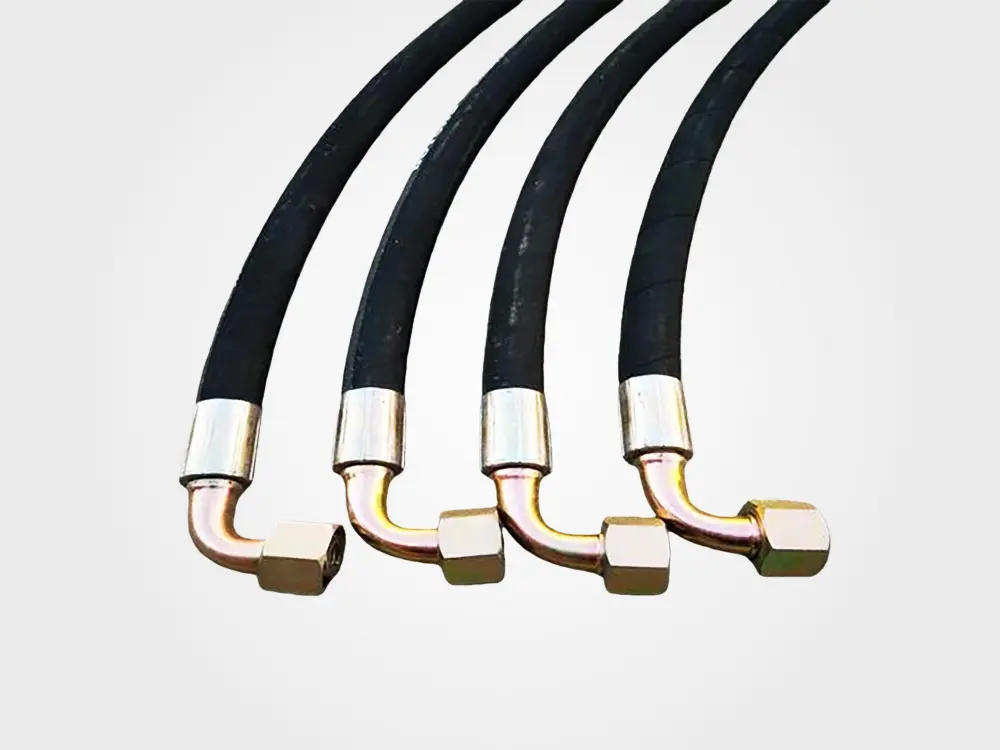
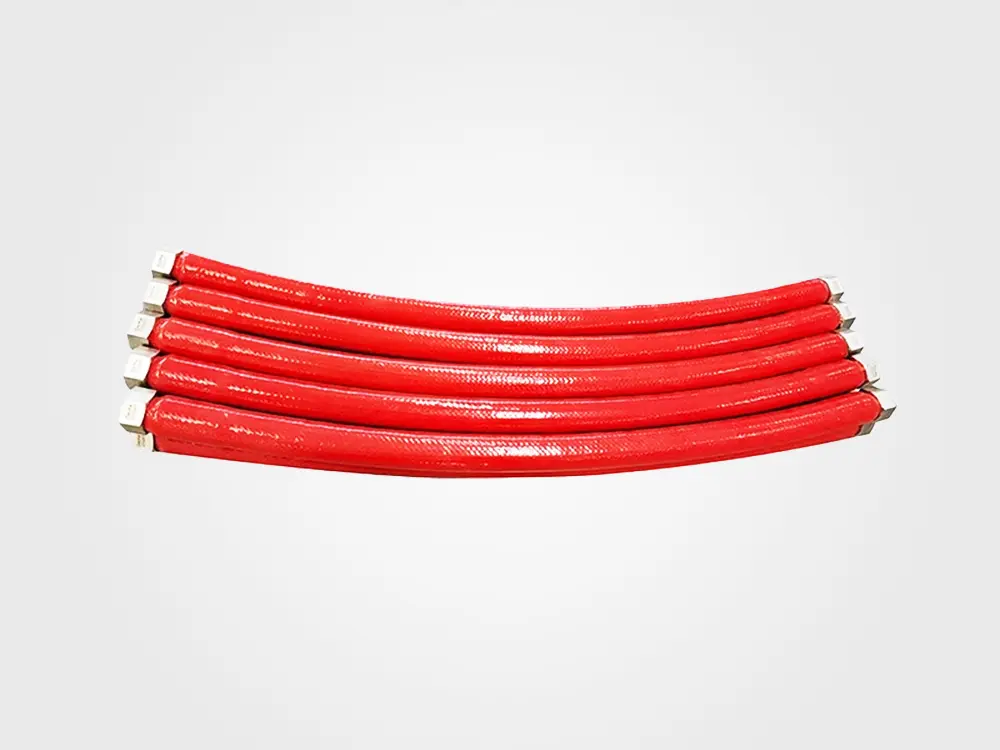
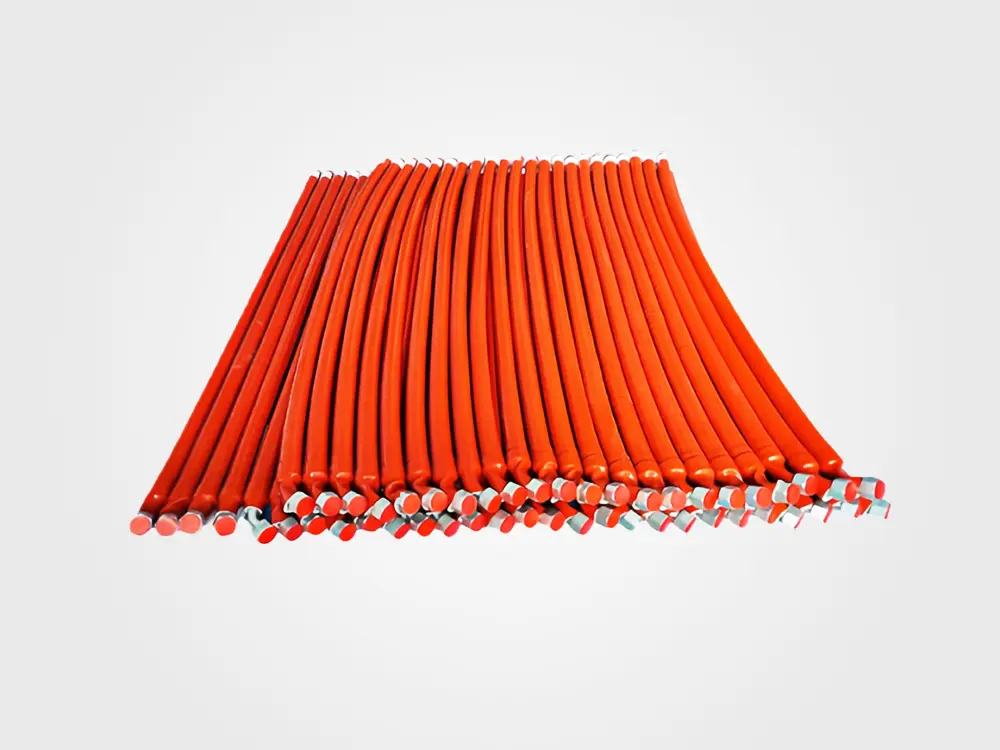
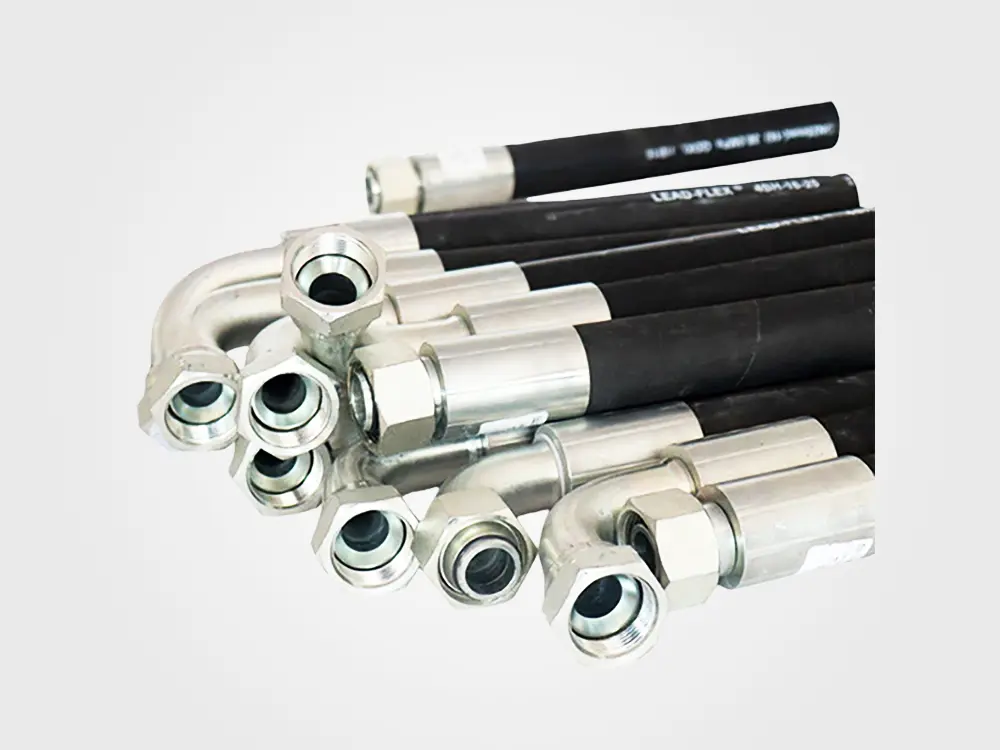
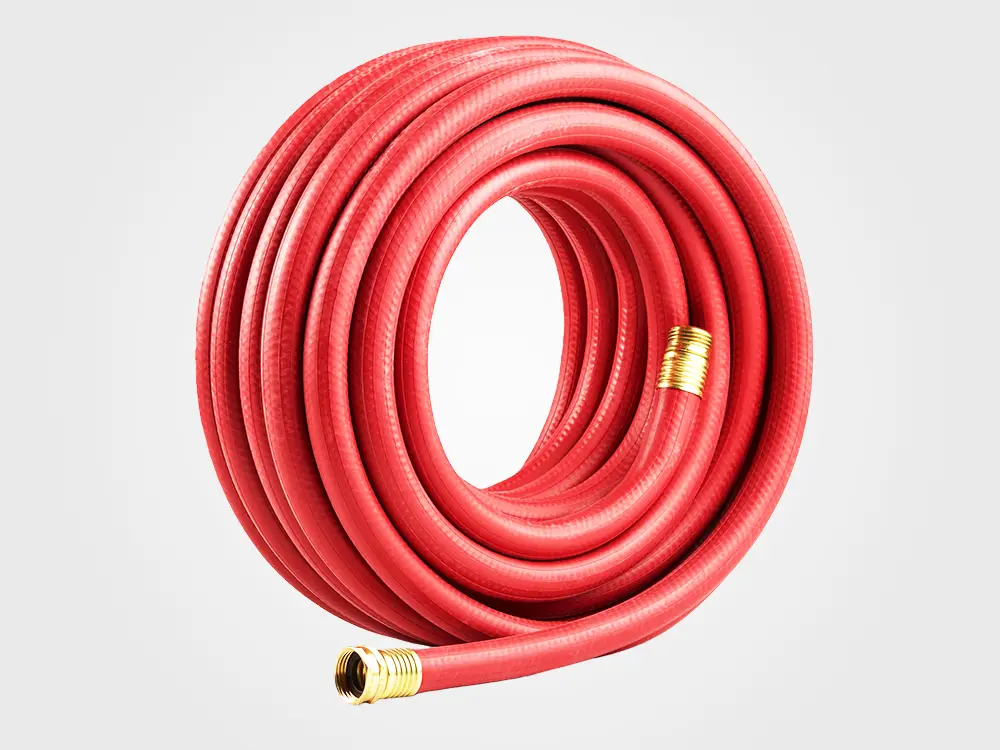
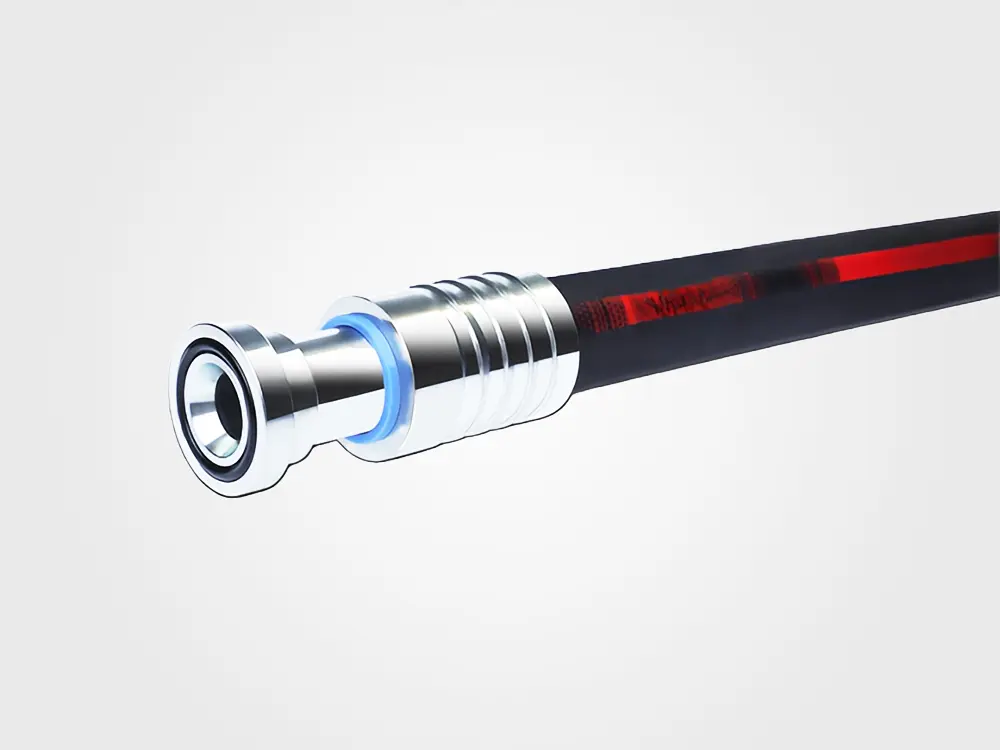
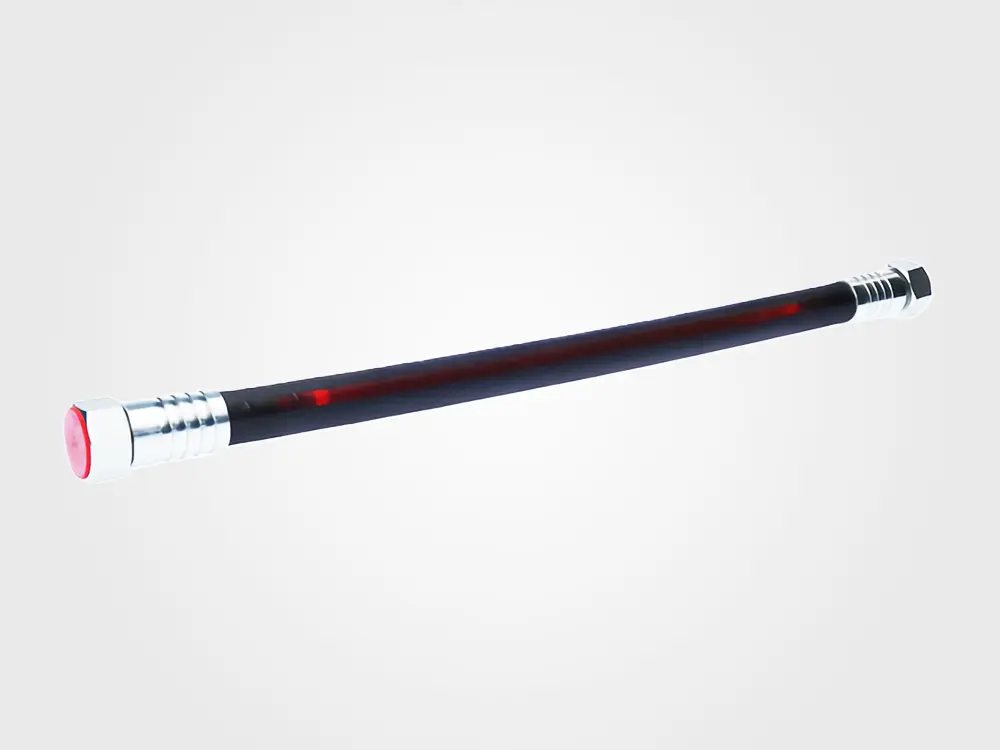
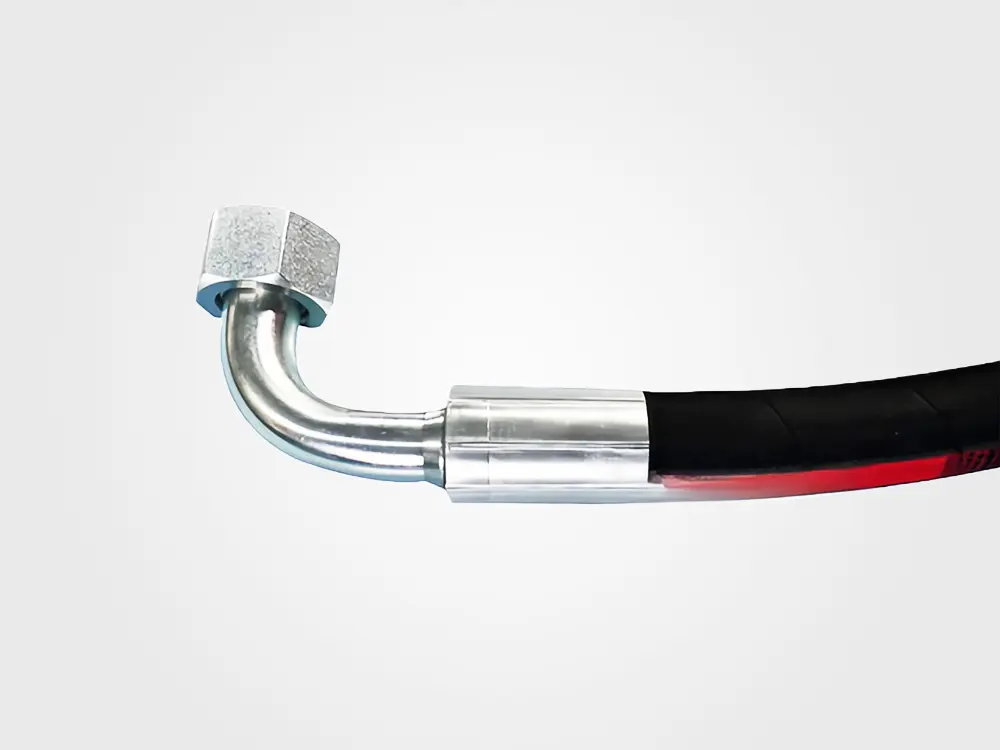
Our rubber hose assemblies provide a one-stop finished product solution for complex industrial systems. By integrating high-performance hoses with precision-engineered joints, we ensure a leak-proof, high-strength connection that is ready for immediate installation. Designed to eliminate secondary processing, these assemblies are the preferred choice for heavy machinery, automotive hydraulics, and automated production lines where system integrity and assembly speed are critical.
Temperature Range -40°C to 180°C
Components Matched based on specific industrial load
Pressure Range 0.4 to 100 MPa
Sealing Grade Fully adapted to operational media

Complies with SAE J517 and GB/T 9065 assembly specifications.

Automotive-grade IATF 16949 and ISO 14001 certified.

Guaranteed full-process quality inspection for the entire assembly.

Meets multi-scenario industrial equipment assembly compliance.
With a fully vertically integrated production system, UPT achieves full-process control from polymer material formulation R&D to finished product certification and delivery.
Our company has successively obtained the three authoritative certifications of IATF 16949 Automotive Quality Management System, ISO 14001 Environmental Management System and ISO 9001 Quality Management System, fully meeting the stringent standards of various industries worldwide, especially those in the automotive sector.
During production of sealing strips, our QC engineers cut cross-sections for 10x magnified checks every 20 minutes. They accurately measure the rubber products’ dimensions, tolerances and geometric errors to ensure they match design drawings and meet customer assembly needs.
We also test the products’ physical and chemical properties per standards to guarantee complete vulcanization and stable performance. Friction and wear tests are carried out to check the abrasion resistance of rubber products and their coatings, while mechanical tests verify the material’s tensile and tear strength.
20-Min Interval Cross-Section Checks
10x Magnification | Precision Guaranteed
Tested for Tensile & Tear Resistance
Spanning approximately 500 square meters, our laboratory is fully equipped with advanced apparatus and boasts strong testing capabilities.We can independently conducting comprehensive testing on a wide range of rubber products。
Ozone Aging Test Chamber
Low Temperature Brittleness Tester
Electronic Tensile Testing Machine
High and Low Temperature Alternating Humidity and Heat Test Chamber
Constant Temperature Water Tank
Aging Test Chamber
Mooney Viscometer
Automotive Seal Strip Abrasion Tester
Automotive Interior Combustion Test Chamber
Fully Automatic Image Measuring Instrument
Rotorless Rheometer / No Rotor Curemeter
Xenon Lamp Weather Resistance Test Chamber
One-Stop Rubber Solutions: Design, Produce, Delivery.
All For Your Industrial Needs.
Consult
Design
validate
produce
deliver
Support
A: Traditional rubber strip joint processes (adhesive/cutting) have obvious defects: gaps cause water/dust leakage, low joint strength, and easy aging/falling off. Injection corner jointing uses secondary vulcanization fusion technology: put the cut rubber strip ends into a precision mold, inject the same raw rubber at high temperature/pressure, and fuse the joint with the main body through vulcanization. The joint strength reaches ≥90% of the main body, realizing seamless IP67-level sealing, and the aging resistance is completely consistent with the rubber strip—perfect for corner connection of automotive/special-shaped industrial sealing strips.
A: Ultra-low temperature rubber strips (cold storage, liquid nitrogen equipment, alpine automotive sealing) need to avoid hardening/cracking at low temperatures, and the recommended materials are:
Structurally, it is recommended to use a soft design (40-50 Shore A), appropriately reduce the cross-section thickness to avoid excessive low-temperature compression and ensure sealing performance.
A: Rubber strip sealing performance is tested according to IEC 60529 IP grade standard, simulating actual installation conditions for dustproof and waterproof tests:
A: NEV rubber sealing strips have three core special requirements based on battery and motor characteristics:
The main materials are still EPDM/HNBR, but the formula is optimized for high temperature/anti-static performance, and the structure is designed with double sealing for key parts (battery pack).
A: Rubber strips are prone to aging/cracking due to environmental factors, and simple daily maintenance can effectively extend their service life (3 key methods):
For outdoor rubber strips, it is recommended to add a protective cover in extreme weather (high temperature/snow) to reduce environmental erosion.
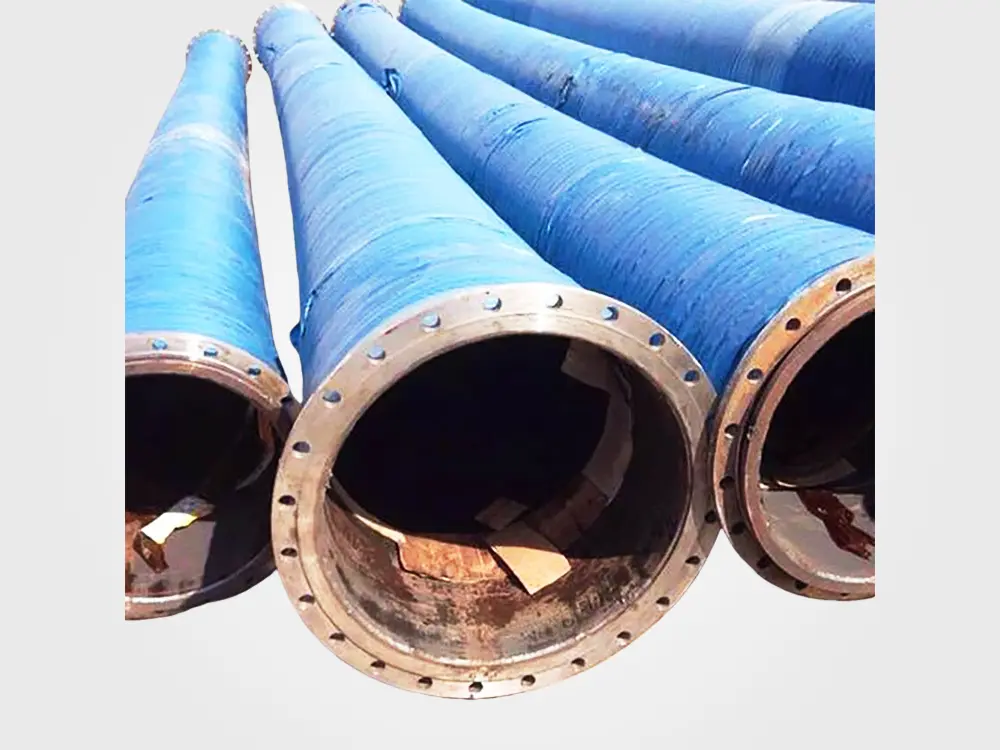
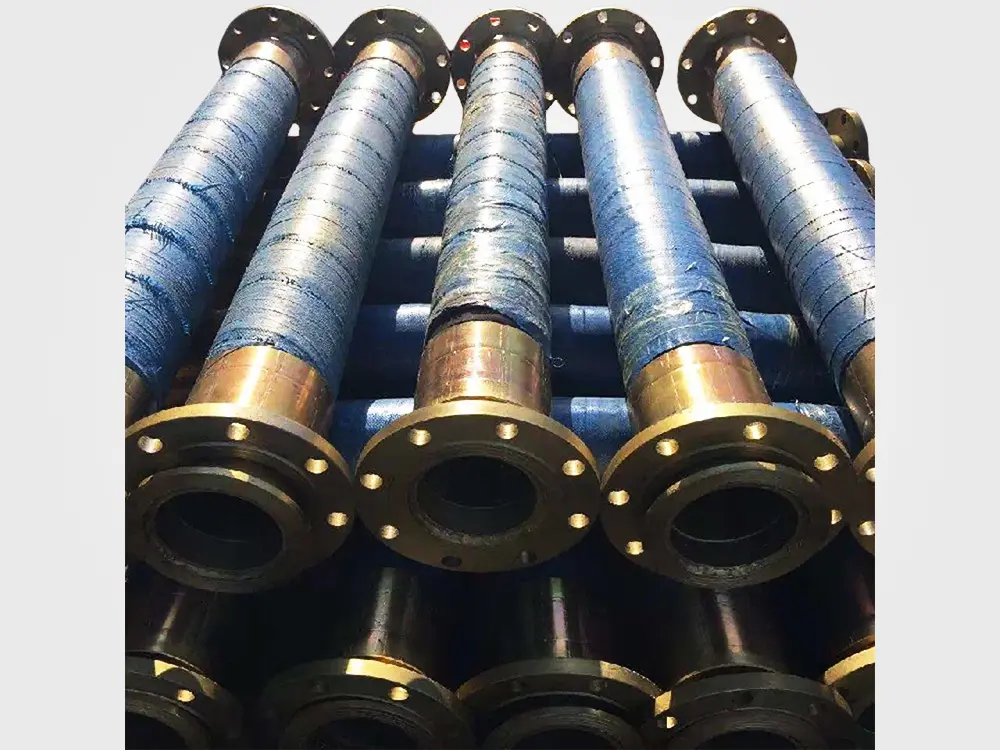
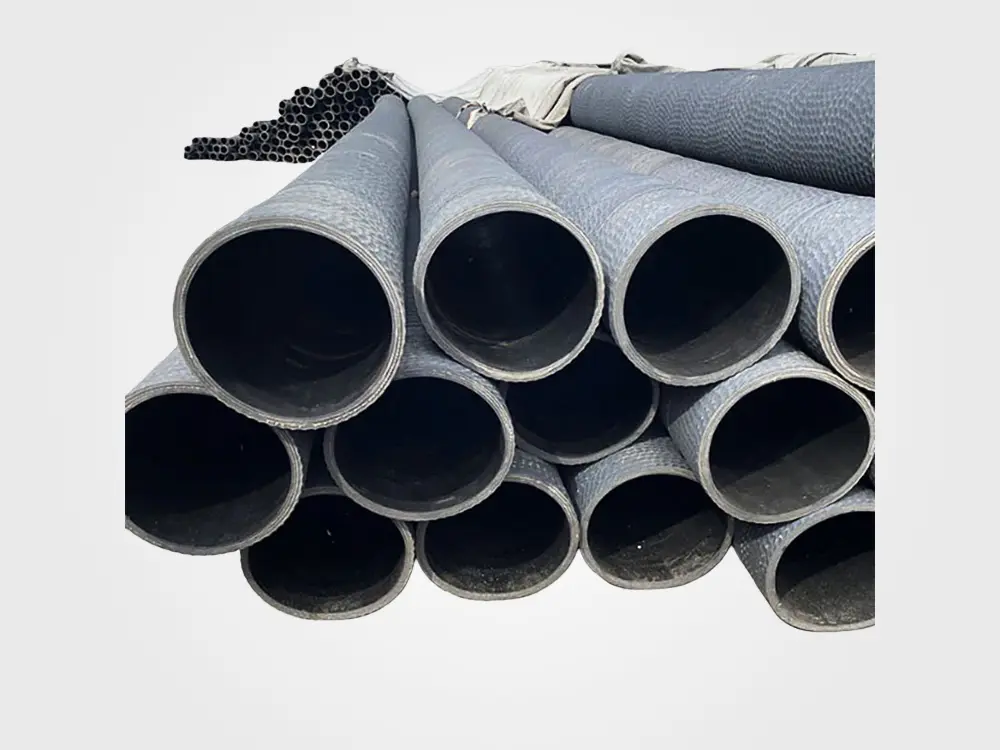
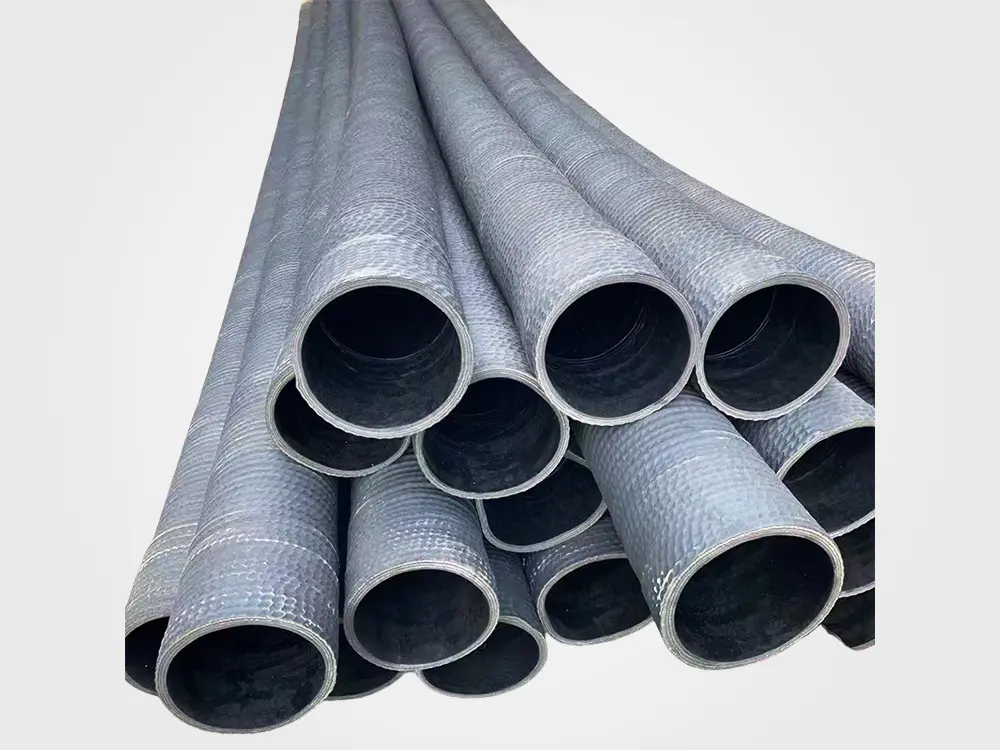
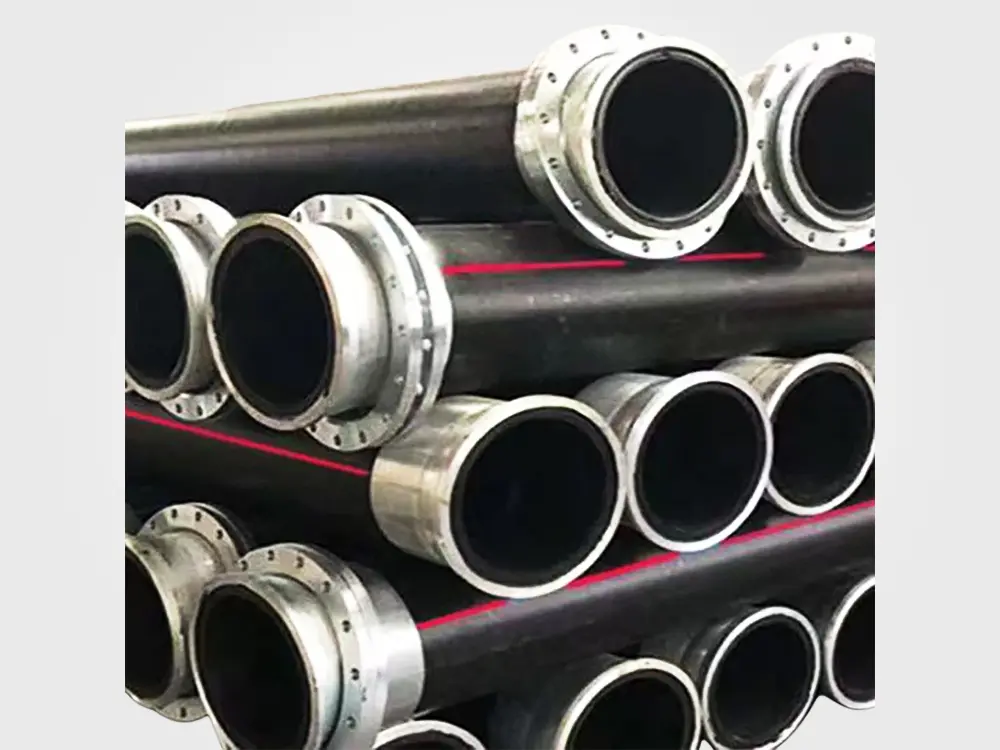
Engineered for heavy-load transmission, our large-caliber rubber hoses are the backbone of mining and infrastructure projects. Designed to handle coarse particles and aggressive media, these hoses feature a robust construction that combines high wear resistance with anti-collapse negative pressure support. Whether it’s mining slurry or municipal sewage, they ensure a long service life under the most demanding impact and abrasive conditions.
Temperature Range -30°C to 100°C
Caliber Range Φ100mm – Φ600mm
Operating Pressure 1.6 to 10 MPa
Wear Index ≤ 0.03 cm³/1.61km

Complies with ISO 1436, GB/T 21924, and mining-specific hose standards.

Designed to meet the rigorous requirements of civil and infrastructure projects.
Facility operations are fully ISO 14001 environmental certified.
100% verified for negative pressure resistance and coarse particle impact.
With a fully vertically integrated production system, UPT achieves full-process control from polymer material formulation R&D to finished product certification and delivery.
Our company has successively obtained the three authoritative certifications of IATF 16949 Automotive Quality Management System, ISO 14001 Environmental Management System and ISO 9001 Quality Management System, fully meeting the stringent standards of various industries worldwide, especially those in the automotive sector.
During production of sealing strips, our QC engineers cut cross-sections for 10x magnified checks every 20 minutes. They accurately measure the rubber products’ dimensions, tolerances and geometric errors to ensure they match design drawings and meet customer assembly needs.
We also test the products’ physical and chemical properties per standards to guarantee complete vulcanization and stable performance. Friction and wear tests are carried out to check the abrasion resistance of rubber products and their coatings, while mechanical tests verify the material’s tensile and tear strength.
20-Min Interval Cross-Section Checks
10x Magnification | Precision Guaranteed
Tested for Tensile & Tear Resistance
Spanning approximately 500 square meters, our laboratory is fully equipped with advanced apparatus and boasts strong testing capabilities.We can independently conducting comprehensive testing on a wide range of rubber products。
Ozone Aging Test Chamber
Low Temperature Brittleness Tester
Electronic Tensile Testing Machine
High and Low Temperature Alternating Humidity and Heat Test Chamber
Constant Temperature Water Tank
Aging Test Chamber
Mooney Viscometer
Automotive Seal Strip Abrasion Tester
Automotive Interior Combustion Test Chamber
Fully Automatic Image Measuring Instrument
Rotorless Rheometer / No Rotor Curemeter
Xenon Lamp Weather Resistance Test Chamber
One-Stop Rubber Solutions: Design, Produce, Delivery.
All For Your Industrial Needs.
Consult
Design
validate
produce
deliver
Support
A: Traditional rubber strip joint processes (adhesive/cutting) have obvious defects: gaps cause water/dust leakage, low joint strength, and easy aging/falling off. Injection corner jointing uses secondary vulcanization fusion technology: put the cut rubber strip ends into a precision mold, inject the same raw rubber at high temperature/pressure, and fuse the joint with the main body through vulcanization. The joint strength reaches ≥90% of the main body, realizing seamless IP67-level sealing, and the aging resistance is completely consistent with the rubber strip—perfect for corner connection of automotive/special-shaped industrial sealing strips.
A: Ultra-low temperature rubber strips (cold storage, liquid nitrogen equipment, alpine automotive sealing) need to avoid hardening/cracking at low temperatures, and the recommended materials are:
Structurally, it is recommended to use a soft design (40-50 Shore A), appropriately reduce the cross-section thickness to avoid excessive low-temperature compression and ensure sealing performance.
A: Rubber strip sealing performance is tested according to IEC 60529 IP grade standard, simulating actual installation conditions for dustproof and waterproof tests:
A: NEV rubber sealing strips have three core special requirements based on battery and motor characteristics:
The main materials are still EPDM/HNBR, but the formula is optimized for high temperature/anti-static performance, and the structure is designed with double sealing for key parts (battery pack).
A: Rubber strips are prone to aging/cracking due to environmental factors, and simple daily maintenance can effectively extend their service life (3 key methods):
For outdoor rubber strips, it is recommended to add a protective cover in extreme weather (high temperature/snow) to reduce environmental erosion.
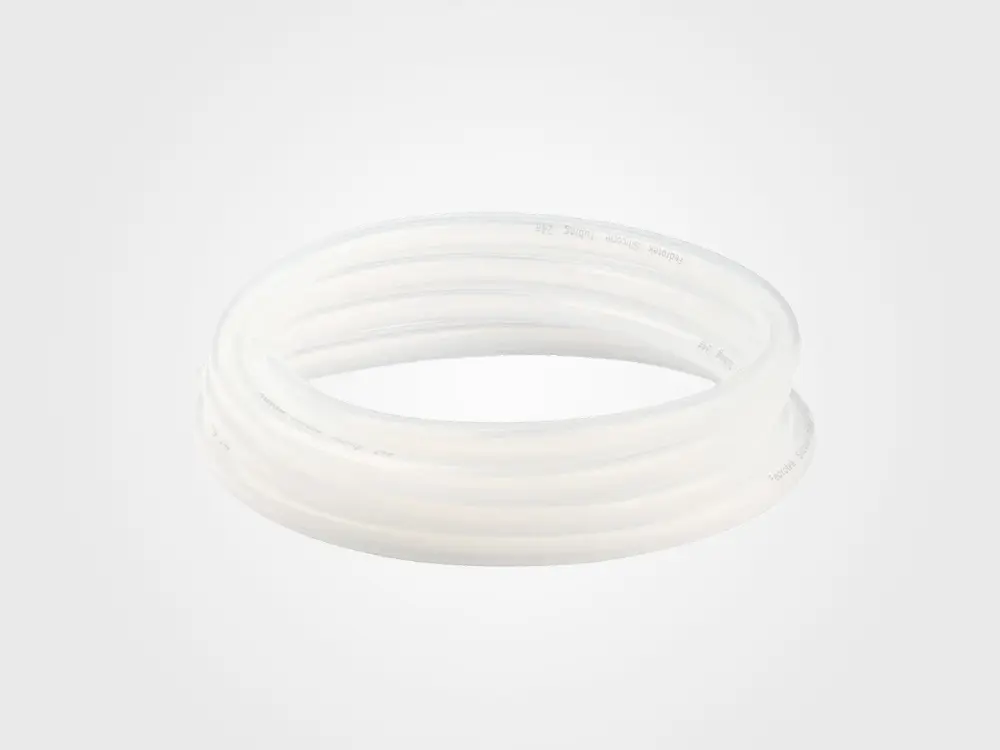
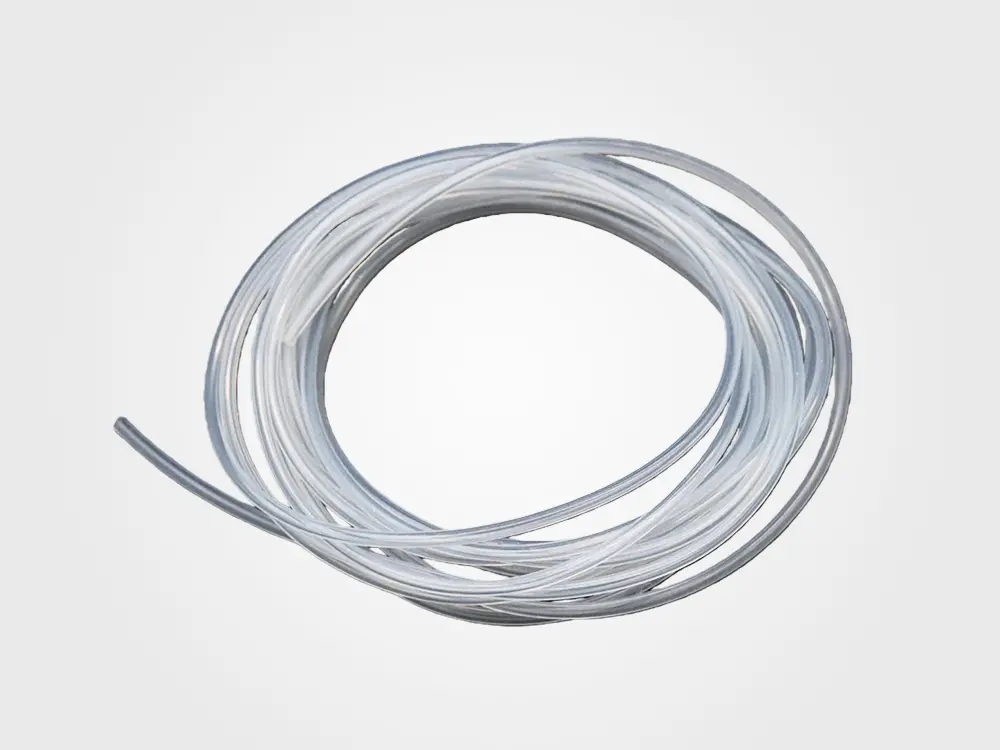
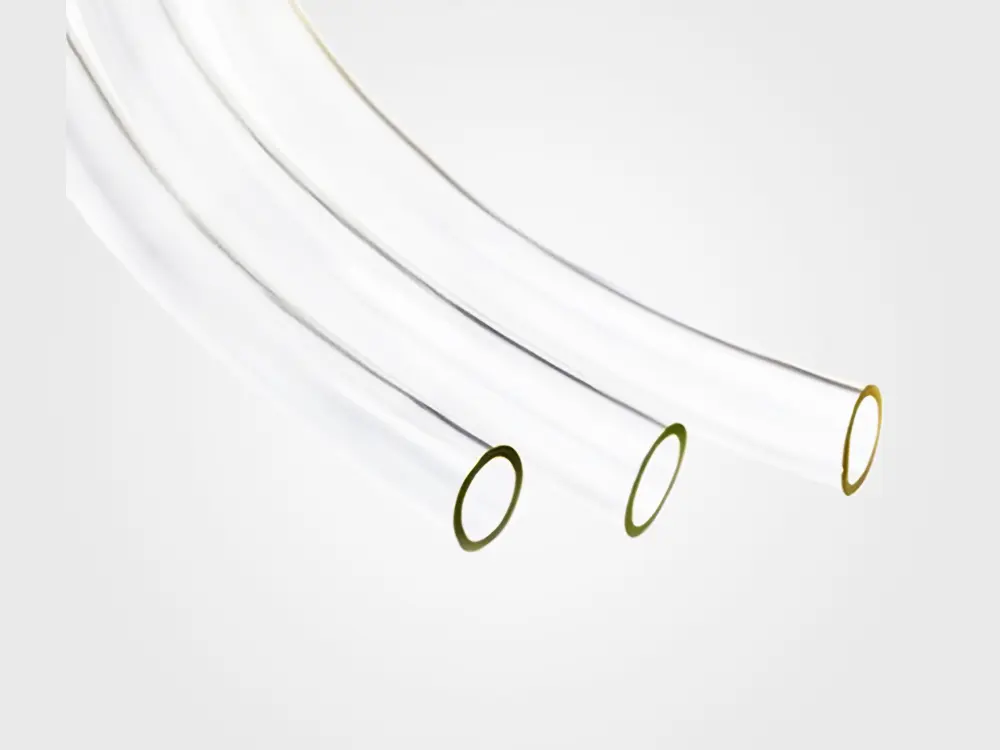
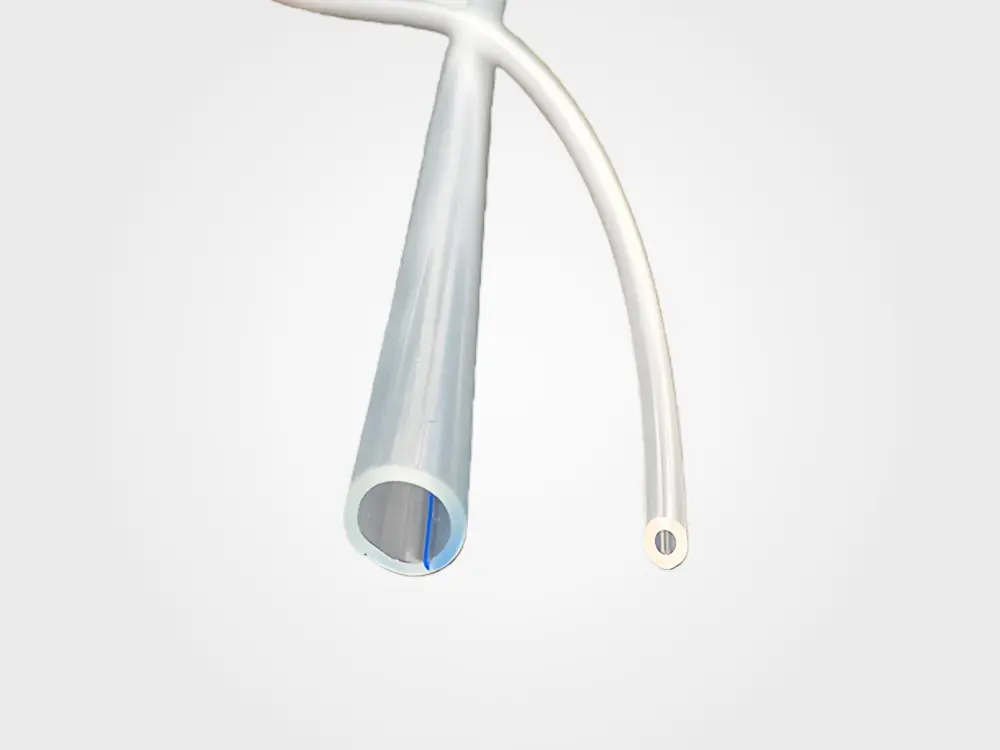
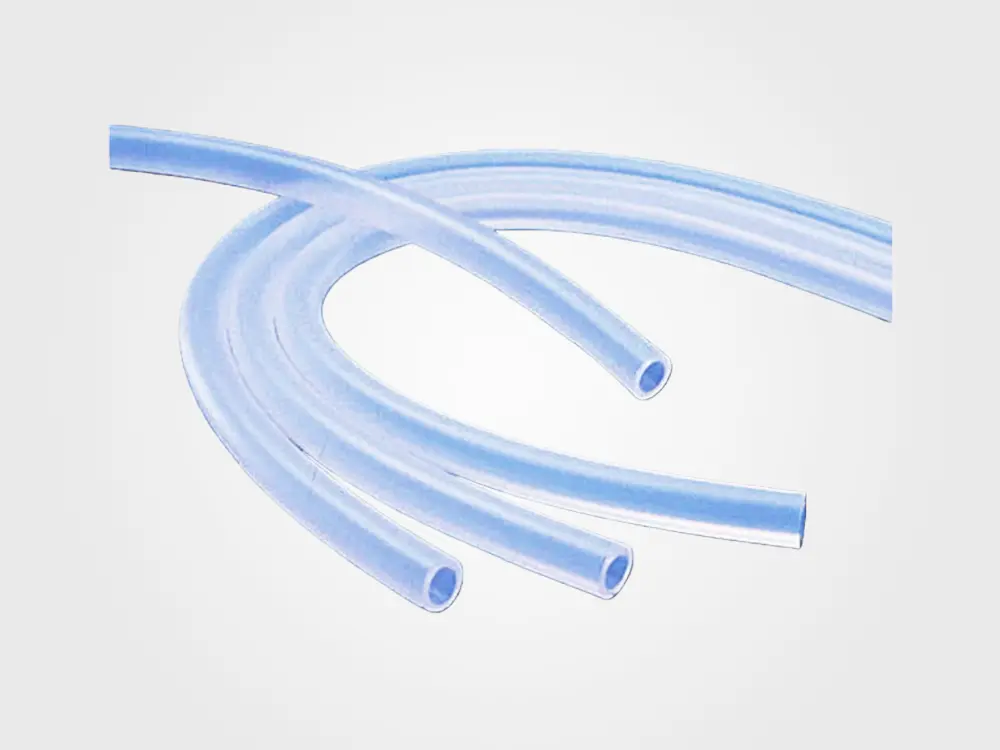
Our silicone hoses are the premier choice for environments demanding extreme hygiene and wide temperature stability. Capable of operating from -60°C to 200°C, these hoses are odor-free, non-toxic, and highly flexible. Whether for medical precision, food processing, or high-end electronics, our silicone solutions provide superior insulation and cleanliness, ensuring safety and performance in the most sensitive applications.
Temperature Range -60°C to 200°C
Caliber Range Φ4mm – Φ80mm
Operating Pressure 0.4 to 4 MPa
Safety Standard Food & Medical Grade compliant
Complies with GB 4806.11 and industrial silicone technical specs.

Food-grade models meet rigorous hygiene and safety testing.
Facility operations are fully ISO 14001 compliant.

Verified performance across a 260°C temperature spectrum (-60°C to 200°C).
With a fully vertically integrated production system, UPT achieves full-process control from polymer material formulation R&D to finished product certification and delivery.
Our company has successively obtained the three authoritative certifications of IATF 16949 Automotive Quality Management System, ISO 14001 Environmental Management System and ISO 9001 Quality Management System, fully meeting the stringent standards of various industries worldwide, especially those in the automotive sector.
During production of sealing strips, our QC engineers cut cross-sections for 10x magnified checks every 20 minutes. They accurately measure the rubber products’ dimensions, tolerances and geometric errors to ensure they match design drawings and meet customer assembly needs.
We also test the products’ physical and chemical properties per standards to guarantee complete vulcanization and stable performance. Friction and wear tests are carried out to check the abrasion resistance of rubber products and their coatings, while mechanical tests verify the material’s tensile and tear strength.
20-Min Interval Cross-Section Checks
10x Magnification | Precision Guaranteed
Tested for Tensile & Tear Resistance
Spanning approximately 500 square meters, our laboratory is fully equipped with advanced apparatus and boasts strong testing capabilities.We can independently conducting comprehensive testing on a wide range of rubber products。
Ozone Aging Test Chamber
Low Temperature Brittleness Tester
Electronic Tensile Testing Machine
High and Low Temperature Alternating Humidity and Heat Test Chamber
Constant Temperature Water Tank
Aging Test Chamber
Mooney Viscometer
Automotive Seal Strip Abrasion Tester
Automotive Interior Combustion Test Chamber
Fully Automatic Image Measuring Instrument
Rotorless Rheometer / No Rotor Curemeter
Xenon Lamp Weather Resistance Test Chamber
One-Stop Rubber Solutions: Design, Produce, Delivery.
All For Your Industrial Needs.
Consult
Design
validate
produce
deliver
Support
A: Traditional rubber strip joint processes (adhesive/cutting) have obvious defects: gaps cause water/dust leakage, low joint strength, and easy aging/falling off. Injection corner jointing uses secondary vulcanization fusion technology: put the cut rubber strip ends into a precision mold, inject the same raw rubber at high temperature/pressure, and fuse the joint with the main body through vulcanization. The joint strength reaches ≥90% of the main body, realizing seamless IP67-level sealing, and the aging resistance is completely consistent with the rubber strip—perfect for corner connection of automotive/special-shaped industrial sealing strips.
A: Ultra-low temperature rubber strips (cold storage, liquid nitrogen equipment, alpine automotive sealing) need to avoid hardening/cracking at low temperatures, and the recommended materials are:
Structurally, it is recommended to use a soft design (40-50 Shore A), appropriately reduce the cross-section thickness to avoid excessive low-temperature compression and ensure sealing performance.
A: Rubber strip sealing performance is tested according to IEC 60529 IP grade standard, simulating actual installation conditions for dustproof and waterproof tests:
A: NEV rubber sealing strips have three core special requirements based on battery and motor characteristics:
The main materials are still EPDM/HNBR, but the formula is optimized for high temperature/anti-static performance, and the structure is designed with double sealing for key parts (battery pack).
A: Rubber strips are prone to aging/cracking due to environmental factors, and simple daily maintenance can effectively extend their service life (3 key methods):
For outdoor rubber strips, it is recommended to add a protective cover in extreme weather (high temperature/snow) to reduce environmental erosion.
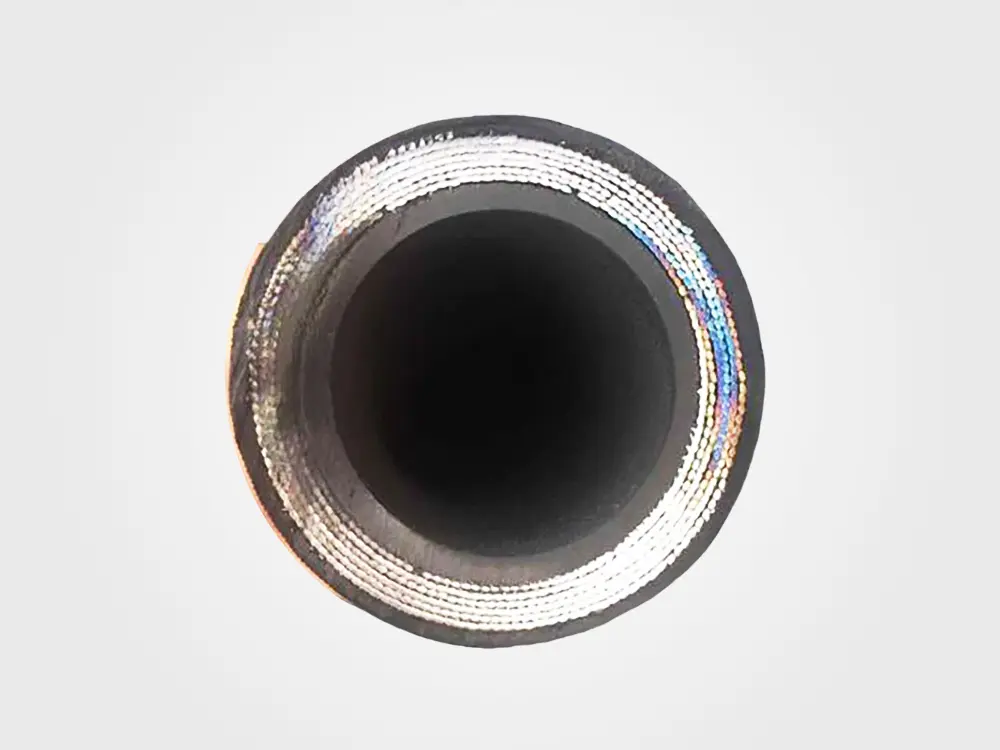
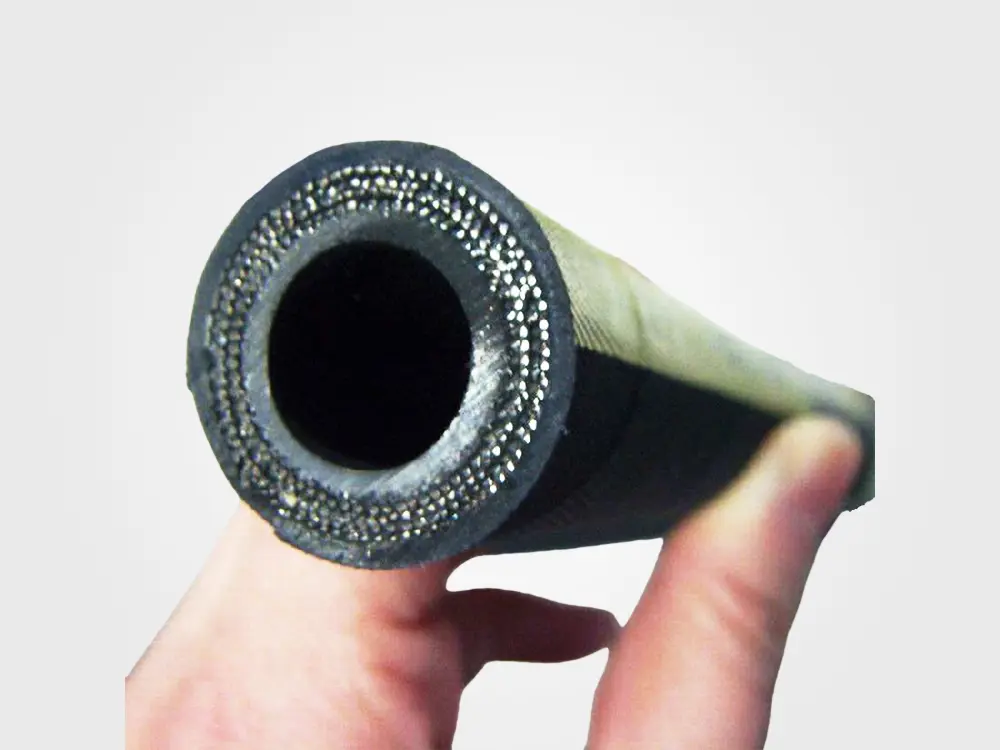
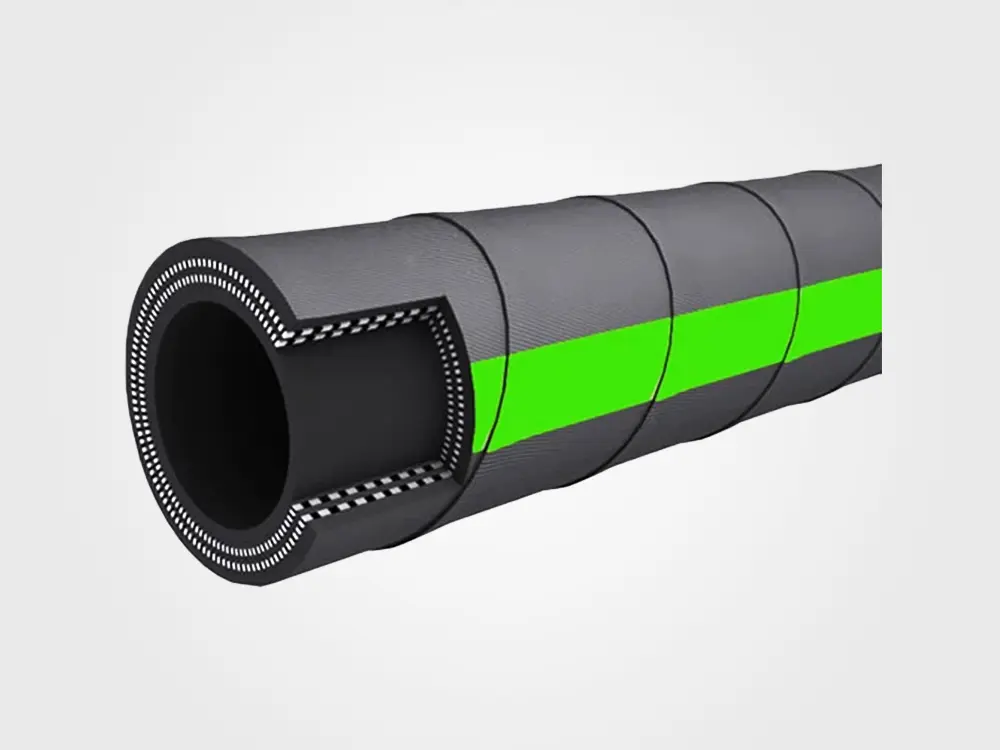
Our metal braided hoses are engineered for extreme high-pressure and heavy-duty industrial environments. Featuring 1 to 4 layers of high-carbon galvanized steel wire braiding, these hoses provide unmatched structural integrity and pulse resistance. Designed to prevent leakage in complex pipeline layouts, they are the trusted choice for hydraulic systems, construction machinery, and automotive braking where safety and durability are non-negotiable.
Temperature Range -40°C to 150°C
Caliber Range Φ6mm – Φ51mm
Operating Pressure 10 to 40 MPa
Bend Radius ≤ 10 times the outer diameter
Complies with SAE 100, ISO 1436, and GB/T 3683 standards.
Automotive-grade quality, fully IATF 16949 certified.
Operations adhere to ISO 14001 environmental management.
100% verified for high-pressure tolerance and pulse resistance.
With a fully vertically integrated production system, UPT achieves full-process control from polymer material formulation R&D to finished product certification and delivery.
Our company has successively obtained the three authoritative certifications of IATF 16949 Automotive Quality Management System, ISO 14001 Environmental Management System and ISO 9001 Quality Management System, fully meeting the stringent standards of various industries worldwide, especially those in the automotive sector.
During production of sealing strips, our QC engineers cut cross-sections for 10x magnified checks every 20 minutes. They accurately measure the rubber products’ dimensions, tolerances and geometric errors to ensure they match design drawings and meet customer assembly needs.
We also test the products’ physical and chemical properties per standards to guarantee complete vulcanization and stable performance. Friction and wear tests are carried out to check the abrasion resistance of rubber products and their coatings, while mechanical tests verify the material’s tensile and tear strength.
20-Min Interval Cross-Section Checks
10x Magnification | Precision Guaranteed
Tested for Tensile & Tear Resistance
Spanning approximately 500 square meters, our laboratory is fully equipped with advanced apparatus and boasts strong testing capabilities.We can independently conducting comprehensive testing on a wide range of rubber products。
Ozone Aging Test Chamber
Low Temperature Brittleness Tester
Electronic Tensile Testing Machine
High and Low Temperature Alternating Humidity and Heat Test Chamber
Constant Temperature Water Tank
Aging Test Chamber
Mooney Viscometer
Automotive Seal Strip Abrasion Tester
Automotive Interior Combustion Test Chamber
Fully Automatic Image Measuring Instrument
Rotorless Rheometer / No Rotor Curemeter
Xenon Lamp Weather Resistance Test Chamber
One-Stop Rubber Solutions: Design, Produce, Delivery.
All For Your Industrial Needs.
Consult
Design
validate
produce
deliver
Support
A: Traditional rubber strip joint processes (adhesive/cutting) have obvious defects: gaps cause water/dust leakage, low joint strength, and easy aging/falling off. Injection corner jointing uses secondary vulcanization fusion technology: put the cut rubber strip ends into a precision mold, inject the same raw rubber at high temperature/pressure, and fuse the joint with the main body through vulcanization. The joint strength reaches ≥90% of the main body, realizing seamless IP67-level sealing, and the aging resistance is completely consistent with the rubber strip—perfect for corner connection of automotive/special-shaped industrial sealing strips.
A: Ultra-low temperature rubber strips (cold storage, liquid nitrogen equipment, alpine automotive sealing) need to avoid hardening/cracking at low temperatures, and the recommended materials are:
Structurally, it is recommended to use a soft design (40-50 Shore A), appropriately reduce the cross-section thickness to avoid excessive low-temperature compression and ensure sealing performance.
A: Rubber strip sealing performance is tested according to IEC 60529 IP grade standard, simulating actual installation conditions for dustproof and waterproof tests:
A: NEV rubber sealing strips have three core special requirements based on battery and motor characteristics:
The main materials are still EPDM/HNBR, but the formula is optimized for high temperature/anti-static performance, and the structure is designed with double sealing for key parts (battery pack).
A: Rubber strips are prone to aging/cracking due to environmental factors, and simple daily maintenance can effectively extend their service life (3 key methods):
For outdoor rubber strips, it is recommended to add a protective cover in extreme weather (high temperature/snow) to reduce environmental erosion.
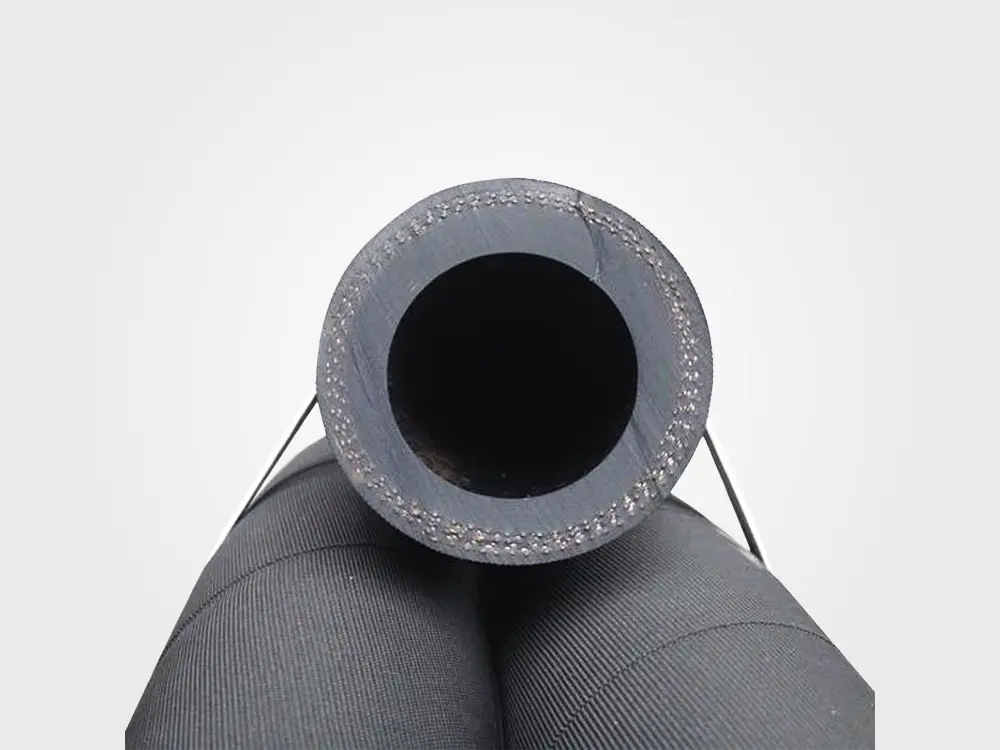
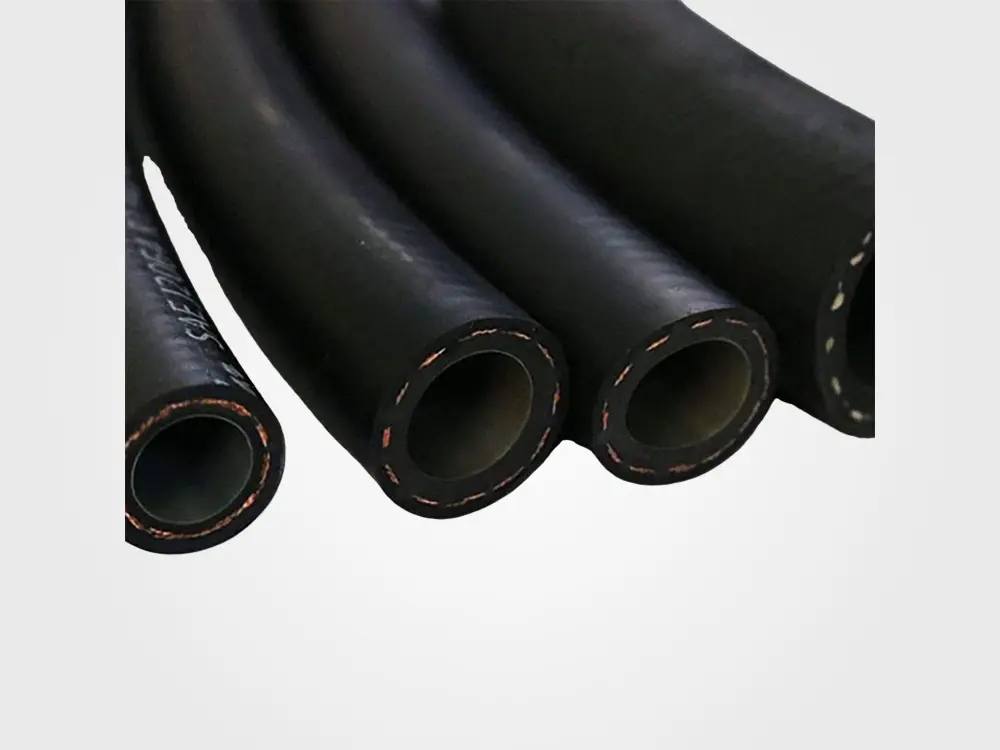
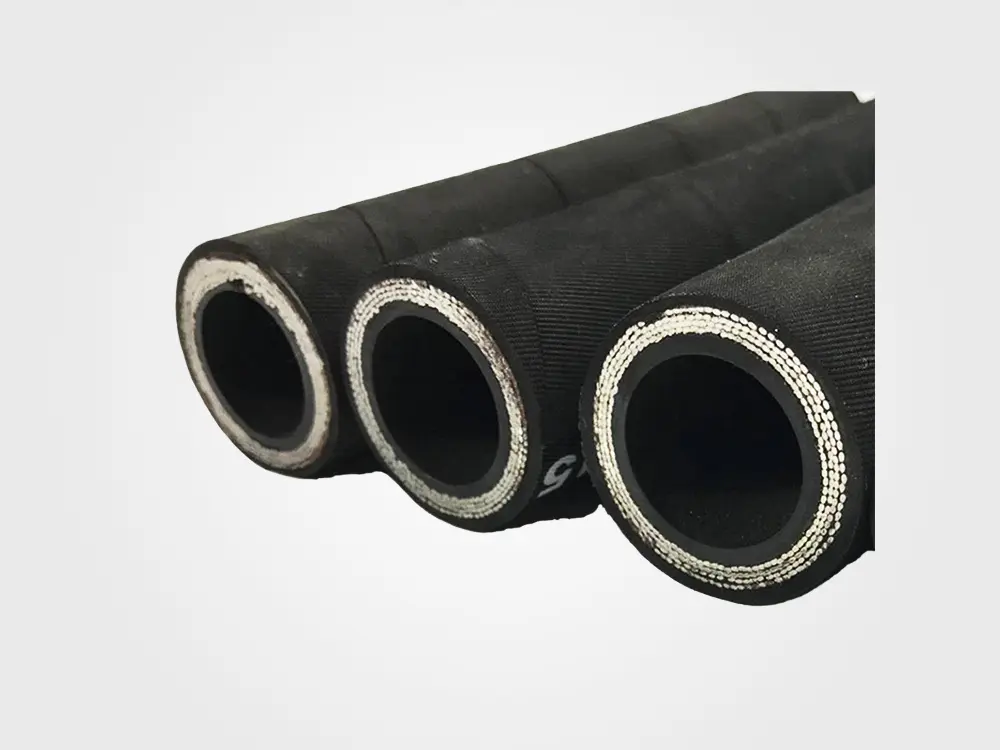
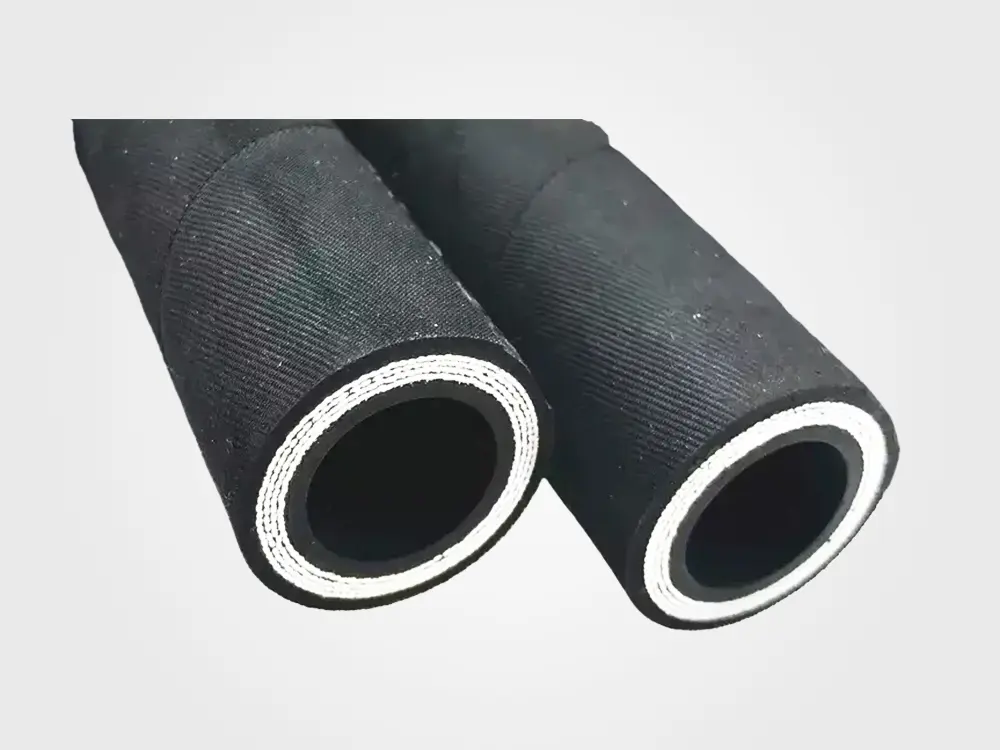
Our fiber braided hoses are designed for high-pressure resilience and anti-expansion performance. Featuring a dense reinforcement layer of polyester or nylon fiber, these hoses offer an exceptional balance between lightweight construction and structural strength. Engineered for low-to-medium pressure systems, they provide superior resistance to oil, weather, and wear, making them ideal for automotive cooling and industrial hydraulic applications.
Temperature Range -40°C to 120°C
Caliber Range Φ8mm – Φ80mm
Operating Pressure 1.6 to 10 MPa
Tensile Strength ≥ 8 MPa

Complies with SAE 100, HG/T 2184, and fiber-reinforced industry standards.
Automotive product lines fully certified under IATF 16949.
Facility operations meet the ISO 14001 environmental management system.
Passed rigorous expansion and fatigue testing for hydraulic stability.
With a fully vertically integrated production system, UPT achieves full-process control from polymer material formulation R&D to finished product certification and delivery.
Our company has successively obtained the three authoritative certifications of IATF 16949 Automotive Quality Management System, ISO 14001 Environmental Management System and ISO 9001 Quality Management System, fully meeting the stringent standards of various industries worldwide, especially those in the automotive sector.
During production of sealing strips, our QC engineers cut cross-sections for 10x magnified checks every 20 minutes. They accurately measure the rubber products’ dimensions, tolerances and geometric errors to ensure they match design drawings and meet customer assembly needs.
We also test the products’ physical and chemical properties per standards to guarantee complete vulcanization and stable performance. Friction and wear tests are carried out to check the abrasion resistance of rubber products and their coatings, while mechanical tests verify the material’s tensile and tear strength.
20-Min Interval Cross-Section Checks
10x Magnification | Precision Guaranteed
Tested for Tensile & Tear Resistance
Spanning approximately 500 square meters, our laboratory is fully equipped with advanced apparatus and boasts strong testing capabilities.We can independently conducting comprehensive testing on a wide range of rubber products。
Ozone Aging Test Chamber
Low Temperature Brittleness Tester
Electronic Tensile Testing Machine
High and Low Temperature Alternating Humidity and Heat Test Chamber
Constant Temperature Water Tank
Aging Test Chamber
Mooney Viscometer
Automotive Seal Strip Abrasion Tester
Automotive Interior Combustion Test Chamber
Fully Automatic Image Measuring Instrument
Rotorless Rheometer / No Rotor Curemeter
Xenon Lamp Weather Resistance Test Chamber
One-Stop Rubber Solutions: Design, Produce, Delivery.
All For Your Industrial Needs.
Consult
Design
validate
produce
deliver
Support
A: Traditional rubber strip joint processes (adhesive/cutting) have obvious defects: gaps cause water/dust leakage, low joint strength, and easy aging/falling off. Injection corner jointing uses secondary vulcanization fusion technology: put the cut rubber strip ends into a precision mold, inject the same raw rubber at high temperature/pressure, and fuse the joint with the main body through vulcanization. The joint strength reaches ≥90% of the main body, realizing seamless IP67-level sealing, and the aging resistance is completely consistent with the rubber strip—perfect for corner connection of automotive/special-shaped industrial sealing strips.
A: Ultra-low temperature rubber strips (cold storage, liquid nitrogen equipment, alpine automotive sealing) need to avoid hardening/cracking at low temperatures, and the recommended materials are:
Structurally, it is recommended to use a soft design (40-50 Shore A), appropriately reduce the cross-section thickness to avoid excessive low-temperature compression and ensure sealing performance.
A: Rubber strip sealing performance is tested according to IEC 60529 IP grade standard, simulating actual installation conditions for dustproof and waterproof tests:
A: NEV rubber sealing strips have three core special requirements based on battery and motor characteristics:
The main materials are still EPDM/HNBR, but the formula is optimized for high temperature/anti-static performance, and the structure is designed with double sealing for key parts (battery pack).
A: Rubber strips are prone to aging/cracking due to environmental factors, and simple daily maintenance can effectively extend their service life (3 key methods):
For outdoor rubber strips, it is recommended to add a protective cover in extreme weather (high temperature/snow) to reduce environmental erosion.
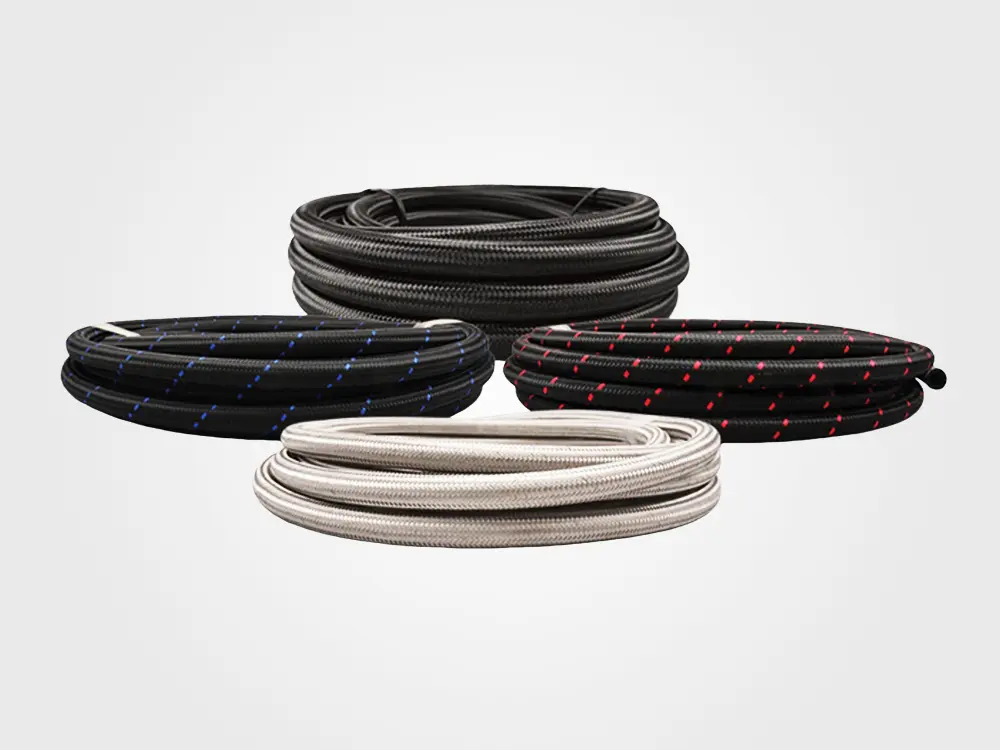
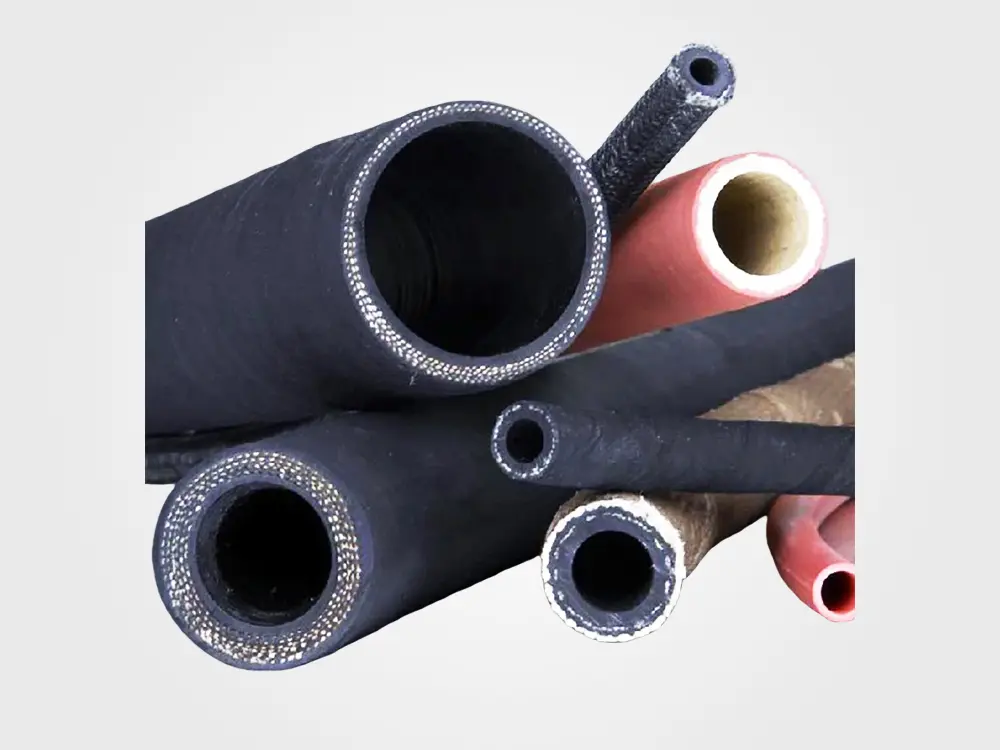
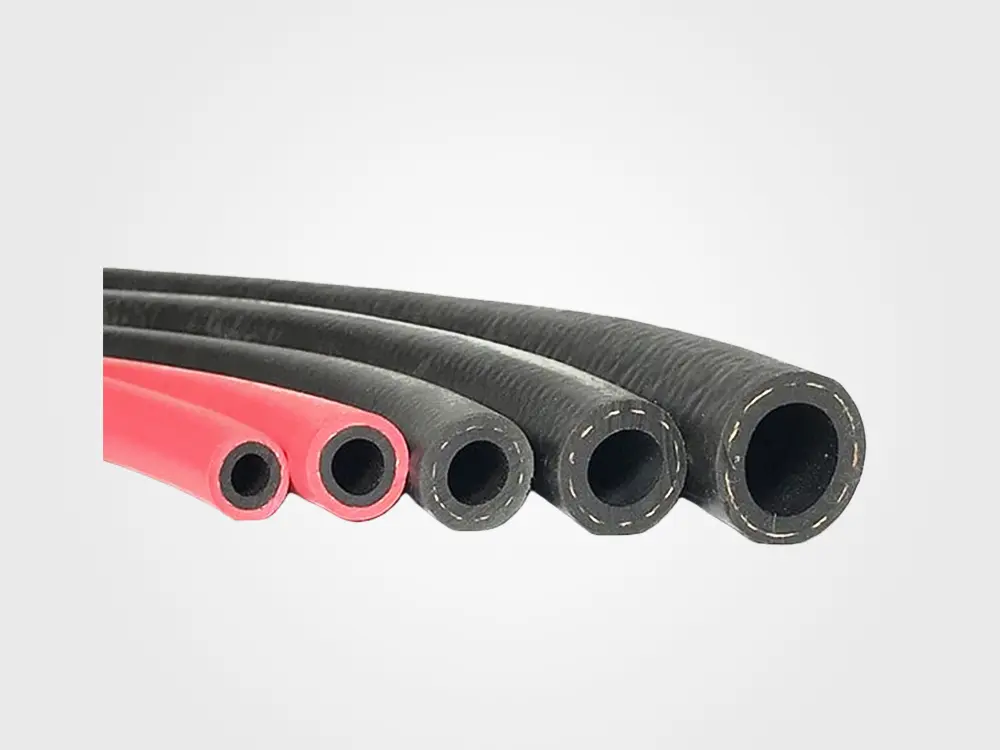
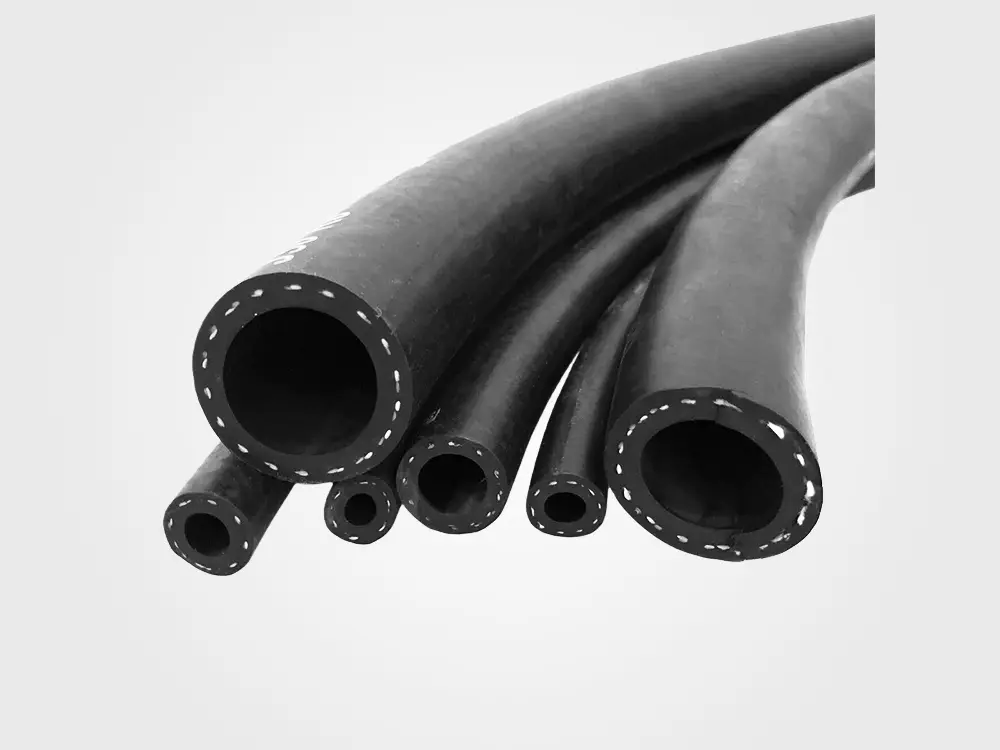
Our solid rubber hoses are designed for high flexibility and cost-efficient performance across civil and industrial sectors. Whether for general water and gas conveyance or specialized food processing, these hoses provide a lightweight, burden-free solution for low-pressure environments. With specific models reaching food-grade safety standards, they offer a reliable and odor-free transport medium for diverse materials.
Temperature Range -30°C to 100°C
Caliber Range Φ10mm – Φ200mm
Operating Pressure 0.4 to 2.5 MPa
Hardness Range 50 to 70 Shore A
Complies with ISO 1436 and GB/T 9573 standards.
Fully certified under the ISO 14001 Environmental Management System.
Food-grade models meet strict hygiene and safety testing norms.
Rigorous pressure and material safety verification.
With a fully vertically integrated production system, UPT achieves full-process control from polymer material formulation R&D to finished product certification and delivery.
Our company has successively obtained the three authoritative certifications of IATF 16949 Automotive Quality Management System, ISO 14001 Environmental Management System and ISO 9001 Quality Management System, fully meeting the stringent standards of various industries worldwide, especially those in the automotive sector.
During production of sealing strips, our QC engineers cut cross-sections for 10x magnified checks every 20 minutes. They accurately measure the rubber products’ dimensions, tolerances and geometric errors to ensure they match design drawings and meet customer assembly needs.
We also test the products’ physical and chemical properties per standards to guarantee complete vulcanization and stable performance. Friction and wear tests are carried out to check the abrasion resistance of rubber products and their coatings, while mechanical tests verify the material’s tensile and tear strength.
20-Min Interval Cross-Section Checks
10x Magnification | Precision Guaranteed
Tested for Tensile & Tear Resistance
Spanning approximately 500 square meters, our laboratory is fully equipped with advanced apparatus and boasts strong testing capabilities.We can independently conducting comprehensive testing on a wide range of rubber products。
Ozone Aging Test Chamber
Low Temperature Brittleness Tester
Electronic Tensile Testing Machine
High and Low Temperature Alternating Humidity and Heat Test Chamber
Constant Temperature Water Tank
Aging Test Chamber
Mooney Viscometer
Automotive Seal Strip Abrasion Tester
Automotive Interior Combustion Test Chamber
Fully Automatic Image Measuring Instrument
Rotorless Rheometer / No Rotor Curemeter
Xenon Lamp Weather Resistance Test Chamber
One-Stop Rubber Solutions: Design, Produce, Delivery.
All For Your Industrial Needs.
Consult
Design
validate
produce
deliver
Support
A: Traditional rubber strip joint processes (adhesive/cutting) have obvious defects: gaps cause water/dust leakage, low joint strength, and easy aging/falling off. Injection corner jointing uses secondary vulcanization fusion technology: put the cut rubber strip ends into a precision mold, inject the same raw rubber at high temperature/pressure, and fuse the joint with the main body through vulcanization. The joint strength reaches ≥90% of the main body, realizing seamless IP67-level sealing, and the aging resistance is completely consistent with the rubber strip—perfect for corner connection of automotive/special-shaped industrial sealing strips.
A: Ultra-low temperature rubber strips (cold storage, liquid nitrogen equipment, alpine automotive sealing) need to avoid hardening/cracking at low temperatures, and the recommended materials are:
Structurally, it is recommended to use a soft design (40-50 Shore A), appropriately reduce the cross-section thickness to avoid excessive low-temperature compression and ensure sealing performance.
A: Rubber strip sealing performance is tested according to IEC 60529 IP grade standard, simulating actual installation conditions for dustproof and waterproof tests:
A: NEV rubber sealing strips have three core special requirements based on battery and motor characteristics:
The main materials are still EPDM/HNBR, but the formula is optimized for high temperature/anti-static performance, and the structure is designed with double sealing for key parts (battery pack).
A: Rubber strips are prone to aging/cracking due to environmental factors, and simple daily maintenance can effectively extend their service life (3 key methods):
For outdoor rubber strips, it is recommended to add a protective cover in extreme weather (high temperature/snow) to reduce environmental erosion.
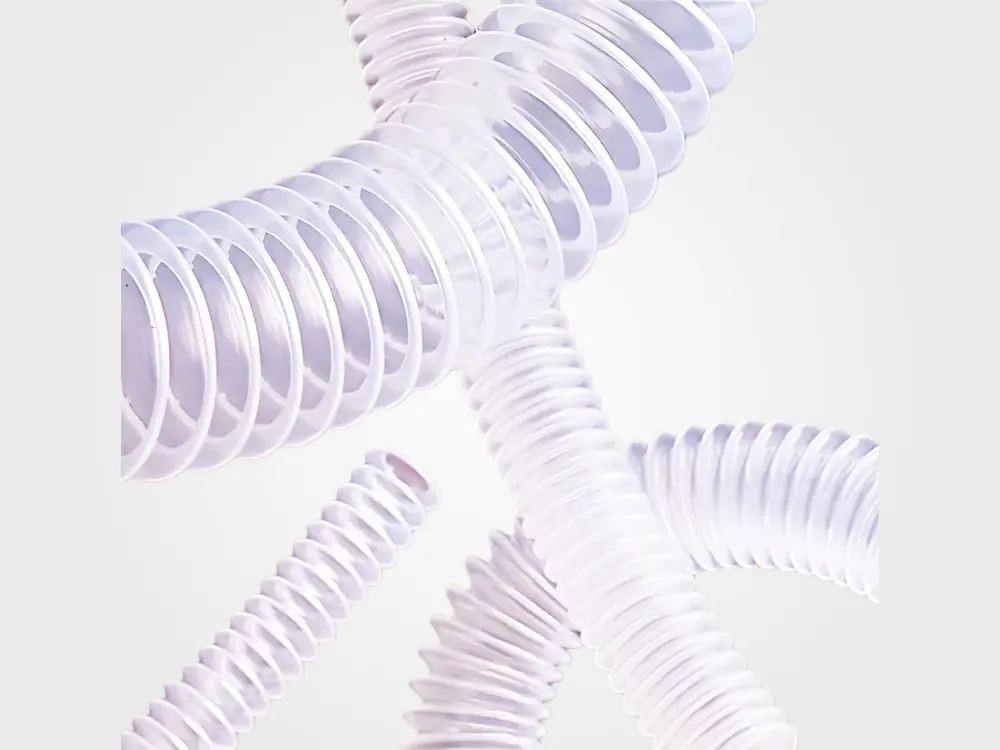
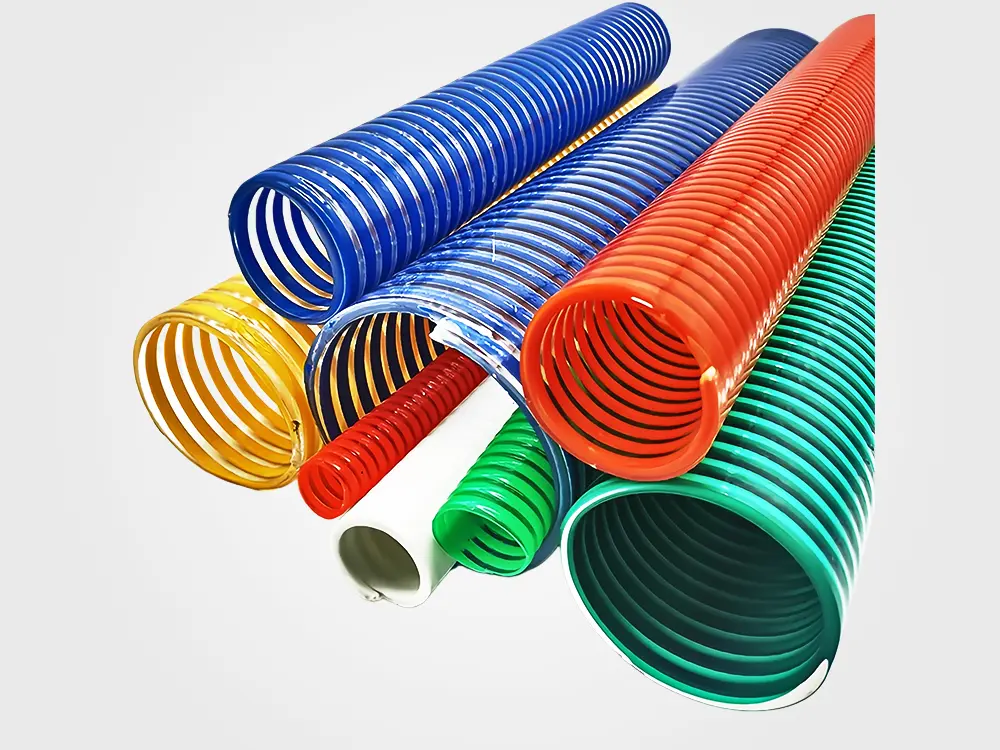
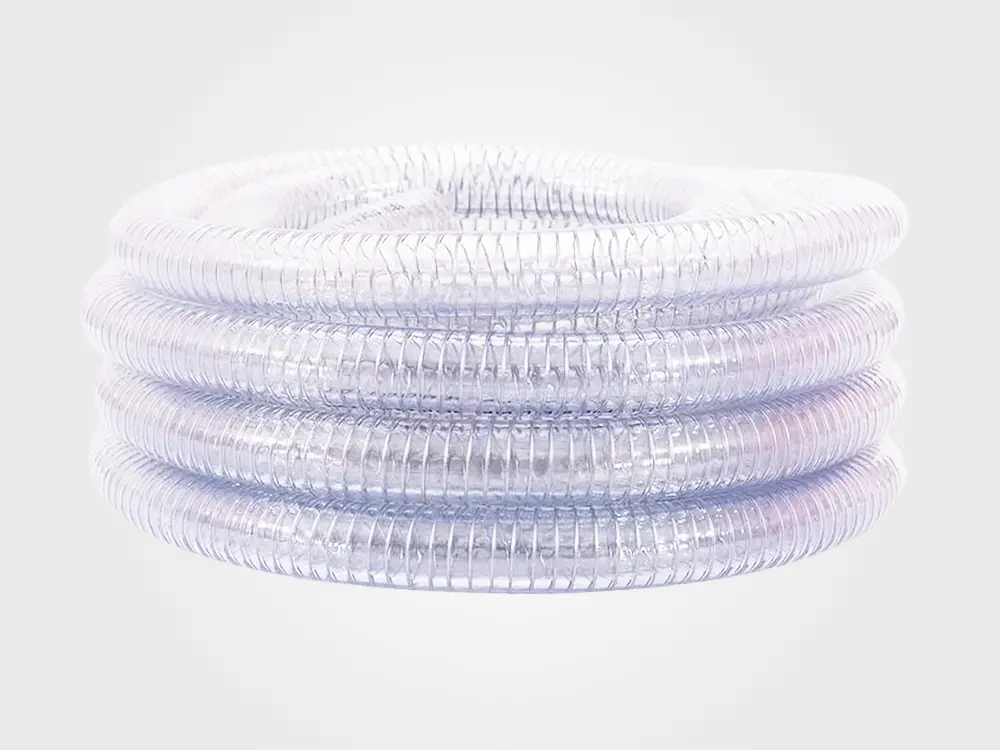
Our corrugated hoses are engineered for maximum flexibility and superior fatigue resistance. Designed to handle dynamic motion and complex routing, these hoses provide reliable ventilation, cooling, and fluid transport solutions. With a robust leak-proof construction and wide temperature tolerance, they are the ideal choice for automotive systems, mechanical ventilation, and building expansion components.
Temperature Range -40°C to 120°C
Caliber Range Φ6mm – Φ100mm
Operating Pressure 0.6 to 4 MPa
Bend Radius Adapted on demand

Meets SAE J2006, GB/T 19427, and auto pipeline standards.
Automotive product lines passed IATF 16949 certification.
Entire facility meets ISO 14001 environmental requirements.
Tested for fatigue resistance and long-term leak-proof performance.
With a fully vertically integrated production system, UPT achieves full-process control from polymer material formulation R&D to finished product certification and delivery.
Our company has successively obtained the three authoritative certifications of IATF 16949 Automotive Quality Management System, ISO 14001 Environmental Management System and ISO 9001 Quality Management System, fully meeting the stringent standards of various industries worldwide, especially those in the automotive sector.
During production of sealing strips, our QC engineers cut cross-sections for 10x magnified checks every 20 minutes. They accurately measure the rubber products’ dimensions, tolerances and geometric errors to ensure they match design drawings and meet customer assembly needs.
We also test the products’ physical and chemical properties per standards to guarantee complete vulcanization and stable performance. Friction and wear tests are carried out to check the abrasion resistance of rubber products and their coatings, while mechanical tests verify the material’s tensile and tear strength.
20-Min Interval Cross-Section Checks
10x Magnification | Precision Guaranteed
Tested for Tensile & Tear Resistance
Spanning approximately 500 square meters, our laboratory is fully equipped with advanced apparatus and boasts strong testing capabilities.We can independently conducting comprehensive testing on a wide range of rubber products。
Ozone Aging Test Chamber
Low Temperature Brittleness Tester
Electronic Tensile Testing Machine
High and Low Temperature Alternating Humidity and Heat Test Chamber
Constant Temperature Water Tank
Aging Test Chamber
Mooney Viscometer
Automotive Seal Strip Abrasion Tester
Automotive Interior Combustion Test Chamber
Fully Automatic Image Measuring Instrument
Rotorless Rheometer / No Rotor Curemeter
Xenon Lamp Weather Resistance Test Chamber
One-Stop Rubber Solutions: Design, Produce, Delivery.
All For Your Industrial Needs.
Consult
Design
validate
produce
deliver
Support
A: Traditional rubber strip joint processes (adhesive/cutting) have obvious defects: gaps cause water/dust leakage, low joint strength, and easy aging/falling off. Injection corner jointing uses secondary vulcanization fusion technology: put the cut rubber strip ends into a precision mold, inject the same raw rubber at high temperature/pressure, and fuse the joint with the main body through vulcanization. The joint strength reaches ≥90% of the main body, realizing seamless IP67-level sealing, and the aging resistance is completely consistent with the rubber strip—perfect for corner connection of automotive/special-shaped industrial sealing strips.
A: Ultra-low temperature rubber strips (cold storage, liquid nitrogen equipment, alpine automotive sealing) need to avoid hardening/cracking at low temperatures, and the recommended materials are:
Structurally, it is recommended to use a soft design (40-50 Shore A), appropriately reduce the cross-section thickness to avoid excessive low-temperature compression and ensure sealing performance.
A: Rubber strip sealing performance is tested according to IEC 60529 IP grade standard, simulating actual installation conditions for dustproof and waterproof tests:
A: NEV rubber sealing strips have three core special requirements based on battery and motor characteristics:
The main materials are still EPDM/HNBR, but the formula is optimized for high temperature/anti-static performance, and the structure is designed with double sealing for key parts (battery pack).
A: Rubber strips are prone to aging/cracking due to environmental factors, and simple daily maintenance can effectively extend their service life (3 key methods):
For outdoor rubber strips, it is recommended to add a protective cover in extreme weather (high temperature/snow) to reduce environmental erosion.
We will contact you within one working day. Please pay attention to your email.
WhatsApp: +8613776977440
Email: [email protected]
Adress: Pudong New Area, Shanghai, China


COPYRIGHT© 2026 Unicor Polymer Technologies Co., Ltd. | Privacy Policy